Article details
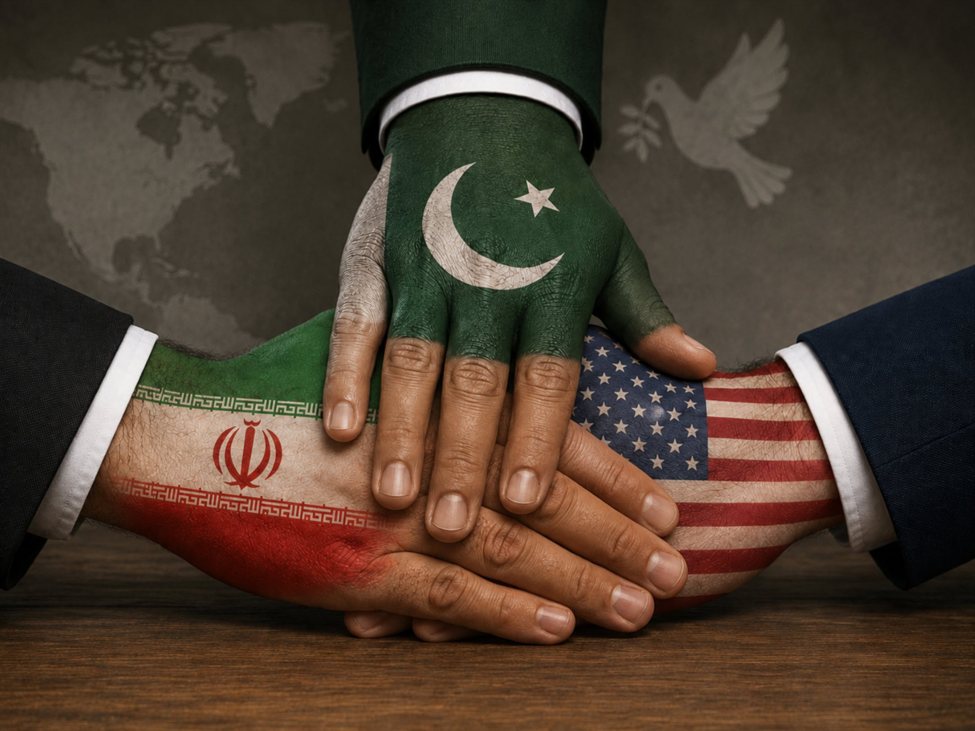
A senior Iranian source confirmed to Reuters that no nuclear deal has been finalized yet, though negotiations have narrowed key disagreements. The primary sticking points remain Iran's uranium enrichment activities and its control over the Strait of Hormuz, a critical global oil transit chokepoint. The source emphasized that while progress has been made, significant hurdles persist in reaching a comprehensive agreement.
This development impacts global markets by introducing uncertainty over oil supply stability and geopolitical tensions in the Middle East. Traders are closely monitoring how unresolved issues might affect crude prices and the US dollar, which often benefits from safe-haven flows during regional instability. The Strait of Hormuz's strategic importance means any escalation could disrupt 20% of global oil exports, directly influencing energy markets.
For investors, the next critical phase will involve watching for diplomatic breakthroughs or renewed hostilities. Central banks and energy sector stakeholders are particularly vulnerable to prolonged uncertainty. Market participants should track statements from Iranian and Western officials, as well as potential sanctions developments, which could trigger volatility in both equities and commodities.