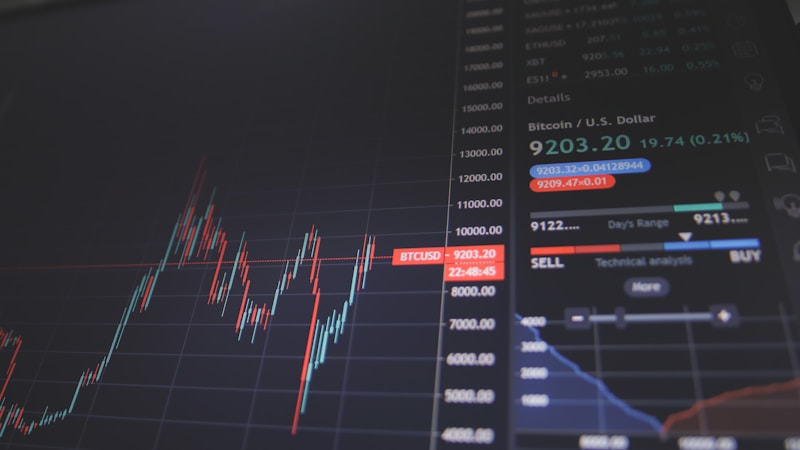
Oil futures have surged again, driven by geopolitical tensions and reduced production cuts, while the February U.S. jobs report revealed an unexpected 10,000-job decline in payrolls, defying forecasts of a 185,000 increase. This marks the first drop in payrolls since August 2023, raising concerns about a potential economic slowdown. The unemployment rate rose to 3.9%, the highest in a year, and average hourly earnings grew by 0.3%, below expectations. These data points could influence the Federal Reserve’s upcoming rate decisions, as weaker labor market signals may delay further rate hikes. The mixed economic signals have created volatility in financial markets. The unexpected payroll decline could pressure the U.S. dollar, which has been a key beneficiary of the Fed’s hawkish stance. Meanwhile, surging oil prices add inflationary risks, complicating the Fed’s balancing act between controlling inflation and supporting economic growth. Traders are now closely watching how equity markets react to these developments, particularly in energy and consumer discretionary sectors, which are sensitive to oil prices and economic sentiment. For global investors, the interplay between oil prices and U.S. monetary policy will be critical in the coming weeks. A prolonged drop in U.S. payrolls could signal a recessionary risk, prompting central banks to pivot toward easing. Gulf investors should monitor energy stock valuations and USD movements, as both are directly impacted by these dynamics. Key upcoming events include the March jobs report and the Fed’s policy meeting in March, which will shape the trajectory of global markets.

Live