Article details
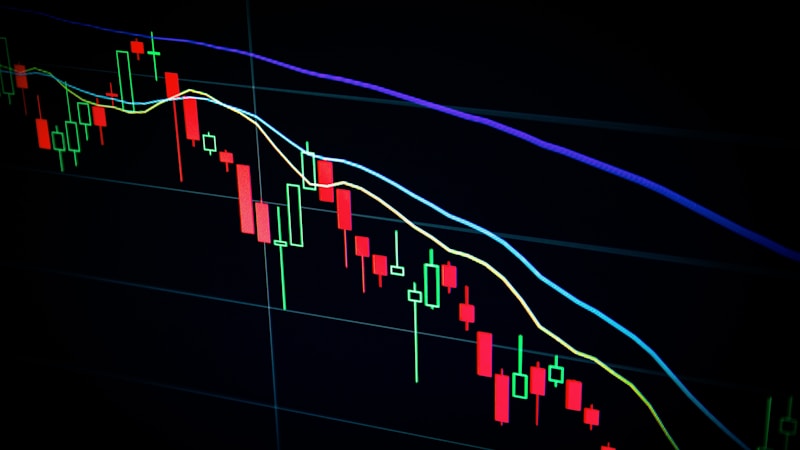
Gold prices (XAU/USD) fell to approximately $5,065 during the early Asian session on Monday, driven by a stronger US Dollar and rising inflationary pressures linked to oil market volatility. The decline reflects reduced demand for gold as a safe-haven asset amid geopolitical tensions in the Middle East, particularly the US-Iran standoff, which has heightened risk premiums. Traders are closely watching how these factors interact with central bank policies and inflation expectations. The bearish sentiment for gold underscores the inverse relationship between the metal and the US Dollar. A stronger USD makes gold less attractive for non-US investors, while oil-driven inflation fears could pressure real returns on gold holdings. This dynamic is critical for global investors, as it may influence portfolio allocations between commodities, equities, and currencies. For MENA investors, the decline in gold prices could impact hedging strategies against regional inflation risks. Key watchpoints include the Fed’s stance on interest rates, oil price movements, and potential escalations in Middle East tensions. Gulf investors should also monitor gold’s technical support levels at $5,000 and $4,950 for potential reversal signals.