Article details
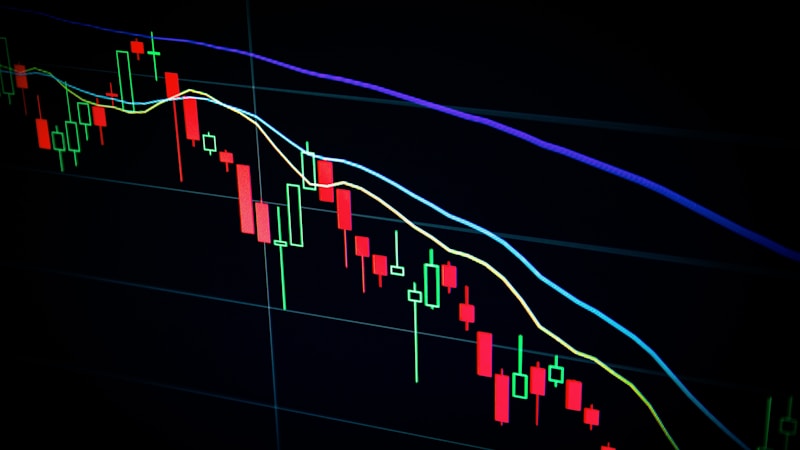
Gold prices fell below $5,200 per ounce on Monday, pressured by rising oil prices and a stronger U.S. dollar amid heightened geopolitical tensions in the Middle East. The dollar gained as investors sought safety amid fears of a potential conflict between the U.S. and Iran, while oil prices climbed due to concerns over supply disruptions. Analysts noted that the dollar's strength, driven by safe-haven demand, reduced gold's appeal as an alternative investment. Meanwhile, higher oil prices raised inflationary concerns, further supporting the dollar's rally. For traders, the move highlights the interconnectedness of global markets, where geopolitical events can rapidly shift asset allocations. The dollar's performance against major currencies, particularly the euro and yen, will be critical to monitor, as will central bank interventions. Gold's technical breakdown below key support levels could trigger further declines unless there's a reversal in risk appetite. Investors should also watch for any escalation in U.S.-Iran tensions, which could disrupt energy markets and drive volatility. The decline in gold poses challenges for Gulf investors, who often use the metal as a hedge against currency fluctuations and regional instability. With oil prices rising, Gulf economies might see mixed impacts—higher energy revenues but potential inflationary pressures. Traders in the region should closely track the Federal Reserve's response to inflation risks and the trajectory of Middle East tensions. Key indicators to watch include weekly U.S. crude oil inventories and statements from OPEC+ on production policies.