Article details
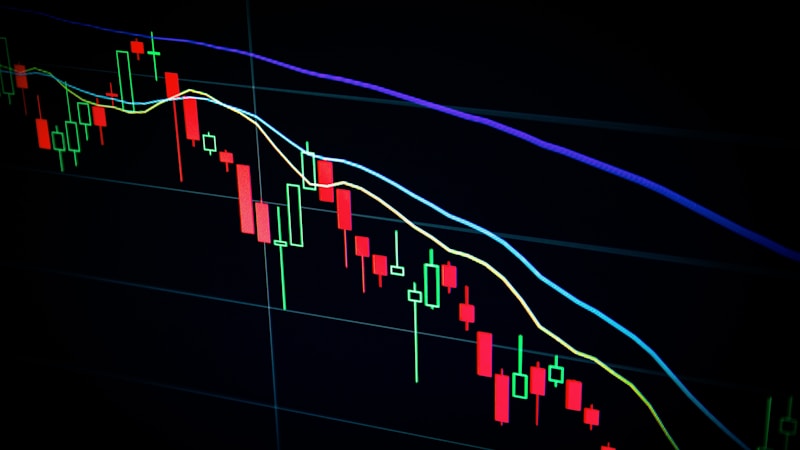
Bitcoin has fallen below $70,000, driven by profit-taking and anticipation of the U.S. nonfarm payrolls report scheduled for later this week. The cryptocurrency’s decline follows a recent rally, with traders adopting a cautious stance ahead of key macroeconomic data that could influence Federal Reserve policy decisions. Meanwhile, oil prices rose on heightened geopolitical tensions between the U.S. and Iran, with fears of potential military escalation in the region. Analysts note that oil markets remain sensitive to Middle East conflicts, while Bitcoin’s volatility underscores its susceptibility to macroeconomic shifts and investor sentiment. For traders, the U.S. jobs report will be critical in determining the trajectory of interest rates and inflation expectations, which directly impact both crypto and energy markets. A weaker-than-expected jobs report could delay Fed rate hikes, potentially boosting risk-on assets like Bitcoin. Conversely, stronger data might reinforce hawkish central bank policies, increasing pressure on crypto prices. Oil traders are also monitoring OPEC+ production decisions and U.S.-Iran tensions, which could disrupt supply chains. Looking ahead, investors should focus on the U.S. nonfarm payrolls data, scheduled for release on Friday, and its implications for Fed policy. Additionally, any escalation in U.S.-Iran tensions could further drive oil prices higher. For crypto markets, the $70,000 level may act as a psychological support for Bitcoin, but sustained weakness below this threshold could trigger further selling. Energy sector participants should also watch for potential sanctions or geopolitical developments in the Middle East.