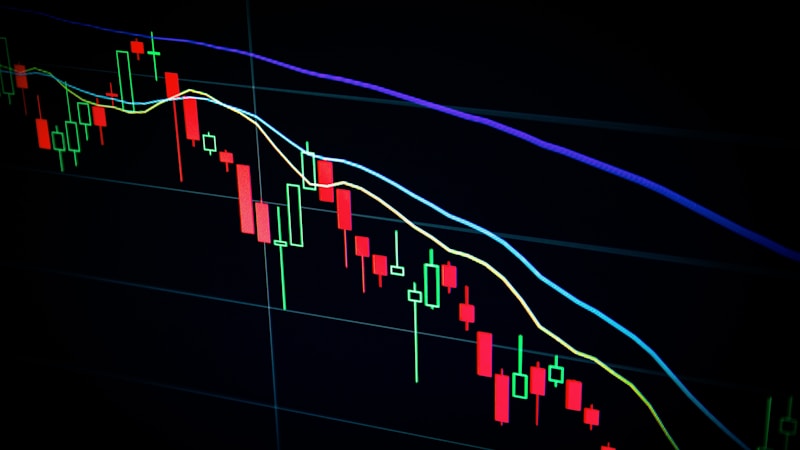
أظهرت بيانات الناتج المحلي الإجمالي لاقتصاد أستراليا نموًا بطيئًا بلغ 0.3% ربع سنويًا في الربع الأول من عام 2026، متخلفة عن التوقعات التي كانت تشير إلى 0.5%. وبلغ معدل النمو السنوي 2.5% دون تغيير. أرجعت مصلحة الإحصاءات الأسترالية السبب إلى تراجع الإنفاق الاستهلاكي وانخفاض المصروفات العامة بالإضافة إلى تعطّل سببه ظروف جوية. ساهمت قطاعات التصدير والتعدين بشكل كبير في إبطاء النشاط الاقتصادي، مع استمرار ضعف الطلب العالمي على الخامات مثل خام الحديد والفحم. قد يؤدي هذا النمو الأضعف من التوقعات إلى ضغوط على الدرهم الأسترالي (__) أمام العملات الرئيسية، خاصة أمام الدولار الأمريكي. يُنصح التجار بمراقبة زوج __ لمتابعة أي مبيعات محتملة مع إعادة المستثمرين تقييم توقعاتهم تجاه الاقتصاد الأسترالي. قد تواجه البنوك المركزية، بما في ذلك بنك أستراليا الاحتياطي (__)، ضغوطًا جديدة لمواصلة السياسات التيسيرية إذا استمرت البطء في النمو. للأسواق العالمية، تسلط البيانات الضوء على نقاط ضعف في الاقتصادات المعتمدة على الموارد في ظل تراجع الطلب العالمي. يُنصح المستثمرين بمراقبة البيانات القادمة من __ والاتجاهات في أسعار السلع الأولية، حيث قد تؤثر هذه العوامل على تقلبات الدرهم الأسترالي. كما قد تواجه أسهم قطاعات التعدين والطاقة في بورصة أستراليا ضغوطًا هبوطية في المدى القصير.

Live