تفاصيل الخبر
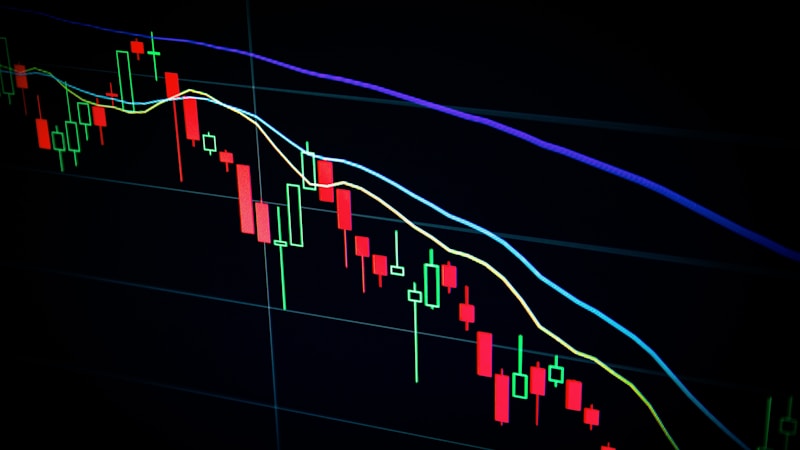
ارتفعت أسعار النفط الخام من نوع WTI فوق 79 دولارًا يوم الجمعة بعد أن أثرت التوترات الجيوسياسية في الشرق الأوسط على تدفقات الطاقة العالمية. سجلت الأسعار تراجعًا مؤقتًا خلال الجلسة لكنها عادت للارتفاع، لتتداول قرب 78.80 دولارًا خلال ساعات آسيا. يُعزى هذا الارتفاع إلى مخاوف من انقطاع الإمدادات من مناطق إنتاج النفط الرئيسية بسبب الصراعات الجارية. تُظهر الحالة الحالية حساسية الأسواق العالمية للطاقة تجاه عدم الاستقرار الإقليمي. يرتبط ارتفاع أسعار WTI بشكل مباشر بقلق المستثمرين بشأن أمن الطاقة في ظل التوترات الجيوسياسية. يراقب التجار عن كثب أي تطورات قد تؤدي إلى تعطيل صادرات النفط، خاصة من دول الخليج. قد يؤدي الصراع المستمر إلى ارتفاع أسعار النفط الخام، مما ي لمنتجي الطاقة لكنه يزيد من تكاليف المستهلكين والصناعات الواقفة على النفط. تزيد هذه التقلبات أيضًا من مخاطر النمو الاقتصادي العالمي، الذي يعاني بالفعل من التضخم وسياسات البنوك المركزية المشددة. للمستثمرين في الخليج، يُعد ارتفاع WTI فرصة وتحديًا. قد تستفيد أسهم قطاع الطاقة والصناديق السيادية في المنطقة من أسعار النفط الأعلى. ومع ذلك، قد تؤثر عدم الاستقرار الجيوسياسي المستمر على جذب الاستثمارات الأجنبية وتعقيد خطط التنمية الاقتصادية الإقليمية. من المهم مراقبة قرارات منظمة أوبك+، ومسار الصراع، والقيود المحتملة على صادرات الطاقة. يجب على المستثمرين أيضًا الانتباه إلى الأصول المرتبطة مثل النفط الخام برنت وصناديق الاستثمار في الطاقة.
West Texas Intermediate (WTI) crude oil prices rebounded above $79.00 on Friday as ongoing conflicts in the Middle East disrupted global energy flows. The price briefly dipped during the session but regained momentum, trading near $78.80 during Asian hours. Analysts attribute the rebound to heightened geopolitical tensions, which have raised concerns about potential supply disruptions from key oil-producing regions. The situation underscores the sensitivity of energy markets to regional instability.
The surge in WTI prices reflects broader market anxiety about energy security amid Middle East tensions. Traders are closely monitoring developments that could further destabilize oil exports, particularly from Gulf nations. A prolonged conflict could lead to higher crude prices, benefiting energy producers but increasing costs for consumers and industries reliant on oil. This volatility also amplifies risks for global economic growth, which is already under pressure from inflation and tightening monetary policies.
For Gulf investors, the rebound in WTI offers both opportunities and risks. Energy sector stocks and sovereign wealth funds in the region may benefit from sustained higher oil prices. However, prolonged geopolitical instability could deter foreign investment and complicate regional economic plans. Key watchpoints include OPEC+ policy adjustments, the conflict’s trajectory, and potential sanctions on energy exports. Traders should also monitor related assets like Brent crude and energy ETFs for further signals.
West Texas Intermediate (WTI) Oil price holds gains after recovering daily losses, trading around $78.80 during the Asian hours on Friday.