
تفاصيل الخبر
أكد الرئيس الأمريكي دونالد ترامب في مؤتمر صحفي أن الولايات المتحدة لا تعرف ما إذا كان القائد الجديد لإيران ما زال على قيد الحياة، مما أثار مزيدًا من التكهنات حول استقرار العلاقات بين البلدين. جاءت التصريحات في ظل تصاعد التوترات بين واشنطن وطهران، خصوصًا بعد تطورات إيران النووية الأخيرة وتعزيزها لوجودها العسكري في المنطقة. وكرر ترامب التزام إدارته بسياسة "الضغوط القصوى" تجاه إيران، بما في ذلك العقوبات المستهدفة صادرات النفط والقطاع المالي الإيراني. قد تؤثر عدم اليقين حول القيادة الإيرانية بشكل كبير على أسواق السلع العالمية، خصوصًا أسعار النفط. تُعد إيران من الدول المنتجة الرئيسية في منظمة أوبك، وستؤدي أي تعطيل في صادراتها أو اضطرابات أمنية في الخليج إلى دفع أسعار النفط الخام إلى الأعلى. قد يشهد الذهب، كوسيلة ملاذ آمن تقليدية، زيادة في الطلب مع تصاعد المخاطر الجيوسياسية. يجب على المتعاملين مراقبة رد فعل إيران الرسمي على تصريحات ترامب وأي إجراءات لاحقة من الولايات المتحدة أو حلفائها في المنطقة. للمستثمرين في الخليج، تُظهر الوضعية هشاشة الأمن الإقليمي وأسواق الطاقة. قد تواجه السعودية ودول الخليج الأخرى ضغوطًا اقتصادية غير مباشرة إذا تأثرت صادرات النفط الإيرانية. يُنصح المستثمرين بمراقبة تدخلات البنوك المركزية في العملات المرتبطة بالسلع مثل الدرهم الإماراتي أو الريال السعودي، بالإضافة إلى تغييرات في سياسات إنتاج أوبك+. الأيام القادمة ستكون حاسمة في تحديد ما إذا كانت هذه التوترات الدبلوماسية ستؤدي إلى تقلبات السوق.
US President Donald Trump has raised uncertainty about the status of Iran's new leader, stating during a press conference that 'we don’t know if he is still alive.' The remarks came amid heightened tensions between Washington and Tehran, following Iran's recent nuclear advancements and regional military posturing. Trump's comments, while unverified, have sparked speculation about potential US-Iran diplomatic maneuvers or military responses. The US president also reiterated his administration's 'maximum pressure' policy toward Iran, including sanctions targeting its oil exports and financial sector.
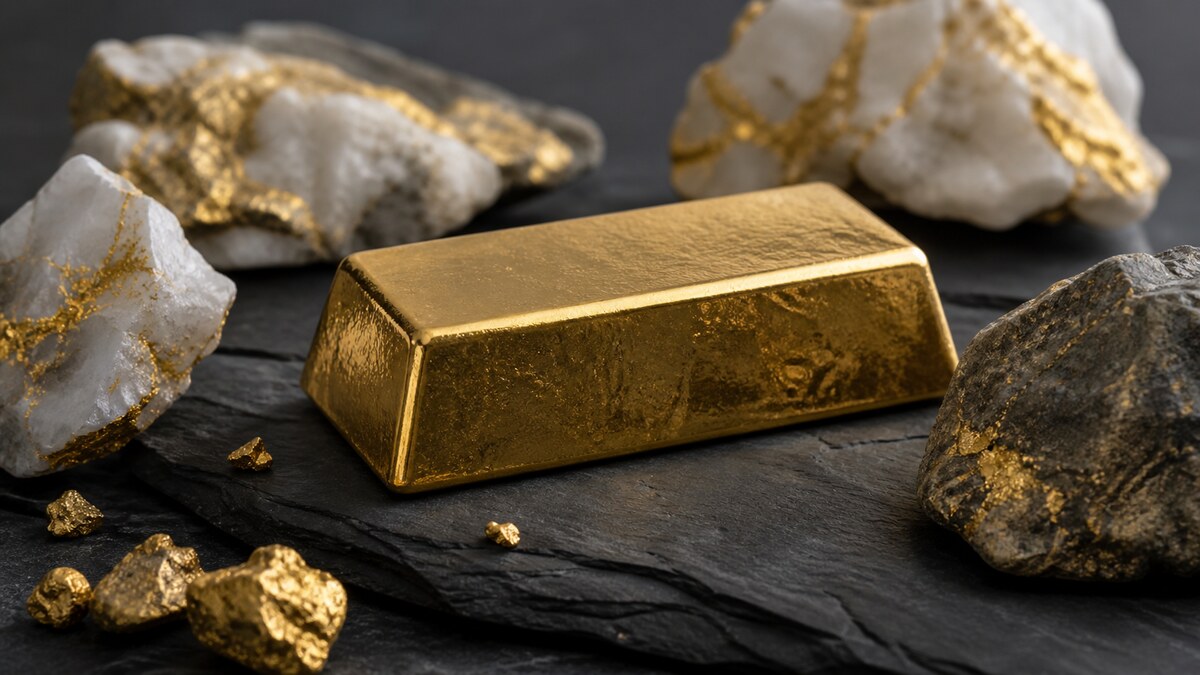
The uncertainty surrounding Iran's leadership could significantly impact global commodity markets, particularly oil prices. Iran is a major OPEC producer, and any disruption to its oil exports or geopolitical instability in the Gulf could drive crude prices higher. Gold, a traditional safe-haven asset, may also see increased demand amid geopolitical risks. Traders should monitor Iran's official response to Trump's remarks and any subsequent actions by the US or its allies in the region.
For Gulf investors, the situation underscores the fragility of regional security and energy markets. Saudi Arabia and other Gulf states may face indirect economic pressures if Iran's oil supply is disrupted. Investors should watch for central bank interventions in commodity-linked currencies like the UAE Dirham or Saudi Riyal, as well as shifts in OPEC+ production policies. The coming weeks will be critical in determining whether this diplomatic tension escalates into market-moving volatility.




