تفاصيل الخبر
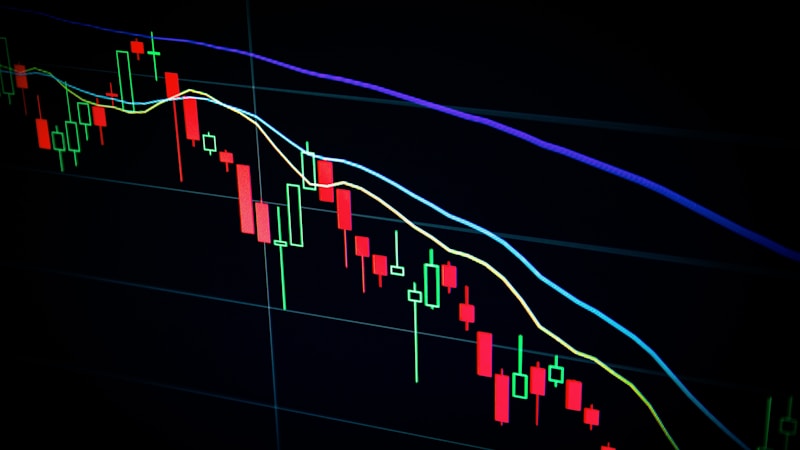
أعلن المضارب القصير كولبر عن مراكز قصيرة كبيرة ضد الإيثيريوم ()، بينما أشار بيت ماين التابع لتوم لي إلى مخاطر 'الانحدار الموتي' في سوق العملات الرقمية. يحدث الانحدار الموتي عندما تؤدي انخفاضات الأسعار إلى طلبات الهامش وتصفية القروض، مما يسرع من الانخفاض. يعكس تحرك كولبر تفاؤلاً سلبياً متزايداً تجاه ، بينما تحذير بيت ماين يسلط الضوء على المخاطر النظامية في قطاع العملات، خاصةً بالنسبة للمراكز المُعدة على الرافعة المالية. هذه التطورات تشير إلى تقلبات كبيرة وعدم اليقين في السوق. التأثيرات على المتعاملين والمستثمرين كبيرة. يمكن أن تُضخم المراكز القصيرة والمخاطر المرتبطة بالانحدار الموتي من التقلبات السوقية، مما يؤدي إلى تصحيحات حادة. قد يواجه المستثمرون المؤسسون والمقومون الذين لديهم تعريض لـ ETH أو البيتكوين (BTC) ضغوطاً على السيولة إذا تحقق الانحدار الموتي. يجب على المضاربين مراقبة مستويات الدعم الأساسية لـ ETH و، بالإضافة إلى المؤشرات الاقتصادية الكبيرة مثل أسعار الفائدة التي تؤثر على قيم العملات الرقمية. بالنسبة للمنطقة ، حيث ينمو اعتماد العملات الرقمية، يجب على المستثمرين تقييم مخاطرهم المتعلقة بـ ETH و. يجب على المضاربين في الخليج الذين لديهم مراكز معدة أو عمليات تعدين النظر في استراتيجيات التحوط. من النقاط المراقبة الرئيسية تحركات سعر الإيثيريوم حول 1800 دولار والبيتكوين عند 26000 دولار، بالإضافة إلى التطورات التنظيمية في الأسواق الكبرى مثل الولايات المتحدة وأوروبا.
Short seller Culper has initiated a significant short position against Ethereum (ETH), while Tom Lee's BitMine has raised concerns about a 'death spiral' risk in the cryptocurrency market. A death spiral typically occurs when falling prices trigger margin calls and forced liquidations, further accelerating the price decline. Culper's move reflects growing bearish sentiment toward ETH, while BitMine's warning highlights systemic risks in the crypto sector, particularly for leveraged positions and mining operations. These developments signal heightened volatility and uncertainty in the market.
The implications for traders and investors are significant. Short positions and death spiral risks can amplify market swings, leading to sharp corrections. Institutional investors and miners with exposure to ETH or Bitcoin (BTC) may face liquidity pressures if the downward spiral materializes. Retail traders should monitor key support levels for ETH and BTC, as well as broader macroeconomic indicators like interest rates, which influence crypto valuations.
For the MENA region, where crypto adoption is growing, investors should assess their risk exposure to ETH and BTC. Gulf-based traders with leveraged positions or mining operations should consider hedging strategies. Key watchpoints include Ethereum's price action around $1,800 and Bitcoin's $26,000 level, along with regulatory developments in major markets like the U.S. and EU.