تفاصيل الخبر
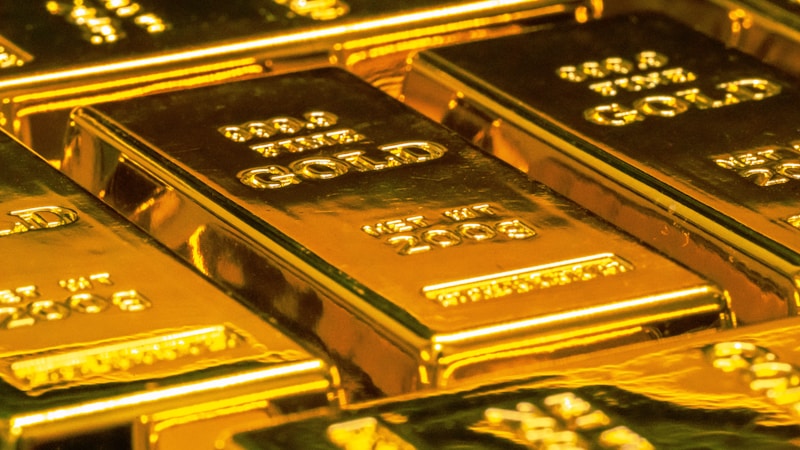
ارتفع نشاط المتعاملين التجزئة بشكل ملحوظ مع تصاعد التوترات الجيوسياسية في الشرق الأوسط، حيث بات النفط والذهب الأصول الرئيسية التي يركز عليها المضاربون. أظهرت تحليلات كابيتال.كوم تحولًا كبيرًا في سلوك التداول، مع زيادة في المراكز في السلع الطاقة والأحجار الكريمة. هذا الاتجاه يعكس محاولات المشاركين في السوق التحوط ضد التقلبات المحتملة والاضطرابات في سلاسل التوريد العالمية. الارتفاع في تداول النفط والذهب يبرز حساسية الأسواق المالية للتغيرات الجيوسياسية. بالنسبة للمتداولين، يخلق هذا فرصة في الأسواق المتقلبة، لكنه يُدخل مخاطر من التغيرات المفاجئة في السياسات أو التصعيد العسكري. قد تحتاج البنوك المركزية ومنتجو الطاقة إلى التدخل إذا تهديدت التقلبات السعرية الاستقرار الاقتصادي الكلي. يجب على المستثمرين مراقبة التحديثات الفورية حول التوترات في الشرق الأوسط وتأثيرها على أسواق الطاقة العالمية. للمستثمرين في منطقة الخليج، تقدم الظروف الحالية فرصًا وتحديات. ارتفاع أسعار النفط قد يفيد الاقتصادات الخليجية التي تعتمد على صادرات الهيدروكربون، لكنه قد يزيد من تكاليف الاستيراد. يظل دور الذهب كأصل آمن حاسمًا خلال الأزمات، مما يوفر تنوعًا للفوليو. المؤشرات الرئيسية التي يجب مراقبتها تشمل قرارات منظمة أوبك+، تحركات الجيش الأمريكي في المنطقة، وبيانات التضخم من الدول المستوردة للنفط.
Retail trader activity has surged globally as geopolitical tensions escalate in the Middle East, with oil and gold emerging as the primary assets of focus. Traders are reevaluating regional supply risks, particularly in oil markets, while seeking safe-haven assets like gold amid heightened uncertainty. Capital.com's analysis highlights a significant shift in trading behavior, with increased positioning in energy commodities and precious metals. This trend reflects market participants' attempts to hedge against volatility and potential disruptions in global supply chains.
The surge in oil and gold trading underscores the sensitivity of financial markets to geopolitical developments. For traders, this creates opportunities in volatile markets but also introduces risks from sudden policy shifts or military escalations. Central banks and energy producers may need to intervene if price swings threaten macroeconomic stability. Investors should monitor real-time updates on Middle East tensions and their impact on global energy markets.
For MENA investors, the situation presents both challenges and opportunities. Rising oil prices could benefit Gulf economies reliant on hydrocarbon exports, but may also increase import costs. Gold's role as a safe-haven asset remains critical during crises, offering portfolio diversification. Key indicators to watch include OPEC+ production decisions, U.S. military movements in the region, and inflation data from oil-importing nations.
The moves were driven overwhelmingly by two instruments: oil, where traders rushed to reprice regional supply risk, and gold. The post Retail trader activity soars as Middle East conflict unfolds: Capital.com appeared first on FX News Group.