تفاصيل الخبر
أُقيمت دعوى قضائية ضد منصة كالشي المتخصصة في الأسواق التنبؤية بسبب قرارها بحظر تداول مرتبط بإمكانية إزاحة المرشد الأعلى الإيراني السابق. يرى المدعيون أن هذا الإعفاء يُعتبر "مُضللاً" ويُخالف مبادئ الشفافية في التداول. تُظهر القضية التحديات التنظيمية التي تواجه الأسواق التنبؤية، حيث تتداخل الأحداث الجيوسياسية الحساسة مع الأدوات المالية. قد تُشكل هذه القضية سابقة قانونية في كيفية تعامل هذه المنصات مع التداولات المرتبطة بالمواضيع السياسية. للتجار والأسواق، تُبرز هذه القضية المخاطر القانونية المرتبطة بالأسواق التنبؤية، خاصةً عند التعامل مع المواضيع السياسية الحساسة. قد يؤدي حظر كالشي لتداول خامنئي إلى تردد المنصات الأخرى في تقديم منتجات مماثلة، مما يقلل السيولة والمشاركة. في المقابل، قد يُحفز ذلك على وضع إطارات تنظيمية أوضح لتنظيم هذه الأسواق، متوازنة بين حرية التعبير والتجارة الأخلاقية. يجب على المستثمرين مراقبة التطورات التنظيمية في الولايات المتحدة ومنطقة الخليج، حيث تكتسب الأسواق التنبؤية شعبية متزايدة. تُعد هذه القضية ذات تأثير كبير على الأسواق المشفرة، حيث تعتمد منصات التنبؤ غالباً على تقنية البلوكشين للشفافية. إذا نجحت الدعوى القضائية، فقد يؤدي ذلك إلى رقابة أشد رقابة على مشاريع التمويل اللامركزي (DeFi) ذات الوظائف المماثلة. يجب على المستثمرين في الخليج مراقبة كيفية تفاعل الجهات التنظيمية في المنطقة مع هذه القضية، خاصةً في ظل الاهتمام المتزايد بأسواق التنبؤ في سوق الشرق الأوسط.
A lawsuit has been filed against Kalshi, a U.S.-based prediction market platform, over its decision to exclude a trade related to the former Iranian Supreme Leader's potential removal. The plaintiffs argue that the exclusion, which barred trading on the outcome of a specific political event, was 'deceptive' and violated market transparency principles. The case highlights regulatory challenges in prediction markets, where sensitive geopolitical events often intersect with financial instruments. The lawsuit could set a precedent for how such platforms handle politically charged trades, impacting investor confidence and market integrity.
For traders and markets, this case underscores the legal risks associated with prediction markets, particularly when dealing with politically sensitive topics. Kalshi's exclusion of the Khamenei trade may deter other platforms from offering similar products, reducing liquidity and participation. Conversely, it could also prompt clearer regulatory frameworks to govern these markets, balancing free speech with ethical trading practices. The outcome may influence how prediction markets navigate geopolitical events in the future.
The implications for crypto markets are significant, as prediction platforms often rely on blockchain technology for transparency. If the lawsuit succeeds, it could lead to stricter oversight of decentralized finance (DeFi) projects with similar functionalities. Investors should monitor regulatory developments in the U.S. and Gulf regions, where prediction markets are gaining traction. The case also raises questions about the role of U.S. regulators in policing politically sensitive financial products.
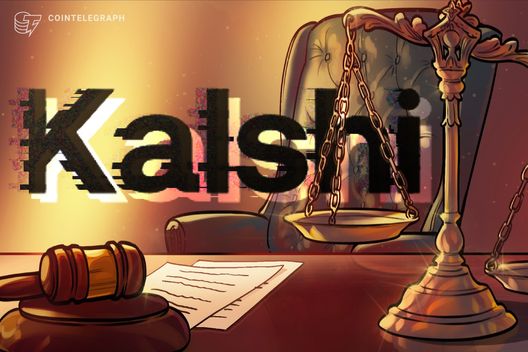
The plaintiffs characterized the death carveout in a prediction market for the former Iranian Supreme Leader's ouster as "deceptive."