تفاصيل الخبر
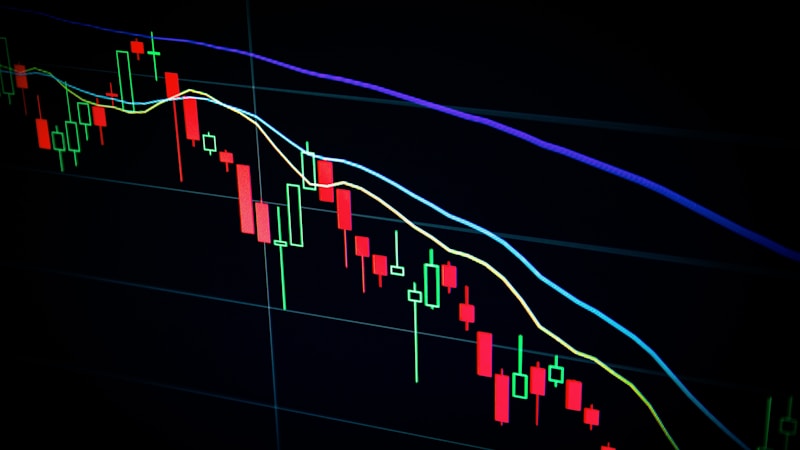
تتجه أسعار النفط العالمية إلى تسجيل أكبر ارتفاع أسبوعي منذ الغزو الروسي لأوكرانيا عام 2022، مدفوعة بخفضات إنتاج منظمة أوبك+ وتصاعد التوترات الجيوسياسية في الشرق الأوسط. ارتفعت عقود برنت الآجلة بأكثر من 8% هذا الأسبوع، بينما زادت عقود تكساس الخفيفة (WTI) بنحو 9%، مما يعكس انخفاض العرض وقوة الطلب مع تعافي الاقتصادات الرئيسية. جاء الصعود نتيجة قرار أوبك+ المنسق عام 2023 بخفض الإنتاج بمليونين و200 ألف برميل يوميًا لاست الأسواق في ظل تقلبات الطلب. الصعود المفاجئ في أسعار النفط له تأثيرات كبيرة على الأسواق العالمية والمتعاملين. شهدت أسهم قطاع الطاقة، خصوصًا في الولايات المتحدة والمنطقة العربية، اهتمامًا جديدًا من المستثمرين، بينما تتوقع ارتفاع ضغوط التضخم في الدول المستوردة للنفط. يراقب المتعاملون أيضًا المخاطر الجيوسياسية، بما في ذلك الصراعات المستمرة في البحر الأحمر والانقطاعات المحتملة لطرق الشحن. قد تواجه البنوك المركزية تحديات جديدة في التوازن بين التحكم في التضخم والنمو الاقتصادي مع ارتفاع تكاليف الطاقة. للمستثمرين في منطقة الخليج، يعكس ارتفاع أسعار النفط مكانتهم الاستراتيجية كمصدر رئيسي للطاقة. قد تستفيد اقتصادات دول مجلس التعاون الخليجي من زيادة عائدات النفط، لكن المشرعين يجب أن يوازنوا بين المخاطر المزدوجة لتباطؤ الاقتصاد العالمي وزيادة الإنتاج المحتملة من خارج أوبك+ مثل الولايات المتحدة. من المراقبة الرئيسية قرارات أوبك+ في أوائل 2024 وتطورات الصراع في البحر الأحمر، التي قد تؤثر بشكل أكبر على سلاسل التوريد وتحديد الأسعار.
Global oil prices are set to record their steepest weekly gain since Russia's 2022 invasion of Ukraine, driven by OPEC+ production cuts and heightened geopolitical tensions in the Middle East. Brent crude futures surged over 8% this week, while West Texas Intermediate (WTI) climbed nearly 9%, reflecting reduced supply and strong demand amid economic recovery in key markets. The price rally follows a coordinated decision by OPEC+ to cut output by 2.2 million barrels per day in 2023, aiming to stabilize markets amid fluctuating demand forecasts.
The surge in oil prices has significant implications for global markets and traders. Energy stocks, particularly in the US and Gulf regions, have seen renewed investor interest, while inflationary pressures are expected to rise in oil-importing nations. Traders are also monitoring geopolitical risks, including ongoing conflicts in the Red Sea and potential disruptions to shipping routes. Central banks may face renewed challenges in balancing inflation control with economic growth as energy costs climb.
For MENA investors, the oil price rebound underscores the region's strategic position as a major energy supplier. Gulf Cooperation Council (GCC) economies could benefit from higher oil revenues, but policymakers must navigate the dual risks of global economic slowdown and potential overproduction by non-OPEC+ nations like the US. Key watchpoints include OPEC+ policy decisions in early 2024 and developments in the Red Sea conflict, which could further impact supply chains and pricing.