تفاصيل الخبر
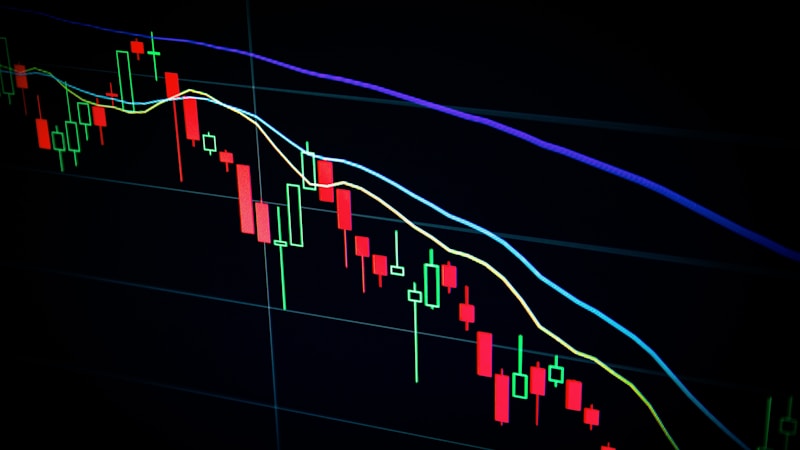
تراجعت العملة النيوزيلندية (نيوزيلندي/دولار أمريكي) بشكل حاد خلال جلسة أمريكا الشمالية، مدفوعة بارتفاع عوائد السندات الأمريكية التي تعزز الدولار. تتجه الزوج نحو المتوسط المتحرك 200 يوم، مع مراقبة الدعم الرئيسي عند 0.5800. الهبوط متزامن مع تصاعد التوترات الجيوسياسية في الشرق الأوسط، مما يعزز الدولار في ظل بيئة مخاطر. تشير المؤشرات الفنية إلى إمكانية الهبوط الأعمق إذا كسر مستوى 0.5800، مما قد يمتد الخسائر نحو 0.5700. للمستثمرين في سوق الفوركس، يُعتبر قوة الدولار الأمريكي عاملاً محورياً يؤثر على ديناميكيات الأزواج العالمية. ضعف نيوزيلندي يعكس تفاعل الطلب على العملات الآمنة مع العملات المرتبطة بالسلع. مع ارتفاع مؤشر الدولار الأمريكي (DXY) إلى أعلى مستوى له في يومين، تُعزز الترابطات بين الأصول التقلبات. يجب على المتعاملين مراقبة المتوسط المتحرك 200 يوم كنقطة محورية نفسية وتقنية. التأثيرات الأوسع للأسواق تشمل حساسية أكبر لسياسات البنوك المركزية ومخاطر الجغرافيا السياسية. قد تُعكس تدخلات البنوك المركزية أو تغيرات في مسار عوائد السندات الأمريكية على عكس هبوط نيوزيلندي. يجب على المستثمرين في الخليج مراقبة إشارات السياسة النقدية ل الاحتياطي الفيدرالي والتطورات في الشرق الأوسط للحصول على مؤشرات اتجاهية. المقاومة الرئيسية ما زالت عند 0.6000، بينما كسر 0.5800 قد يُثير أوامر إغلاق المراكز.
The New Zealand Dollar (NZD/USD) has fallen sharply during the North American session, driven by elevated US Treasury yields that bolster the US Dollar. The pair is now approaching its 200-day Simple Moving Average (SMA), with key support at 0.5800 under scrutiny. The decline coincides with rising geopolitical tensions in the Middle East, which have strengthened the Greenback amid risk-off sentiment. Technical indicators suggest further downside potential if the 0.5800 level breaks, potentially extending losses toward 0.5700.
For forex traders, the USD's strength is critical as it impacts global currency pair dynamics. The NZD's vulnerability highlights the interplay between safe-haven demand and commodity-linked currencies. With the US Dollar Index (DXY) hitting a two-day high, cross-asset correlations are amplifying volatility. Traders should monitor the 200-day SMA as a psychological and technical pivot point.
The broader implications for markets include heightened sensitivity to US monetary policy and geopolitical risks. Central bank interventions or shifts in Treasury yield trajectories could reverse the NZD's decline. Investors should watch the Federal Reserve's policy signals and Middle East developments for directional clues. Key resistance remains at 0.6000, while a break below 0.5800 could trigger stop-loss orders.
The New Zealand Dollar plummets during the North American session as high US Treasury yields underpin the Greenback, which is registering a new two-day high as the Middle East conflict escalates.