تفاصيل الخبر
أدى رفض الرئيس الأمريكي دونالد ترامب التفاوض مع إيران وطلب الاستسلام غير المشروط إلى ارتفاع حاد في أسعار النفط وانخفاض البيتكوين والأسواق العالمية. تفاقمت التوترات الجيوسياسية بين الولايات المتحدة وإيران، حيث رفضت إدارة ترامب أي تسوية دبلوماسية. ارتفعت أسعار النفط بسبب مخاوف من تعطيل سلاسل إمدادات الطاقة في الشرق الأوسط، بينما تراجعت البيتكوين بأكثر من 8% في ظل انخفاض الشهية للمخاطرة. تراجعت المؤشرات الرئيسية مثل مؤشر S&P 500 وناسداك بينما بحث المستثمرون عن أصول أكثر أمانًا. تعكس ردود الفعل السوقية حساسية الأصول المالية للمخاطر الجيوسياسية. يعكس ارتفاع النفط مخاوف بشأن انقطاع إمدادات الطاقة في منطقة تنتج 20% من النفط الخام العالمي. تشير تقلبات البيتكوين إلى دورها كأصل تكهناتي في الأوقات غير المؤكدة، بينما تواجه الأسهم ضغوطًا بسبب انخفاض الشهية للمخاطرة. يراقب التجار الآن رد إيران المحتمل والأفعال العسكرية الأمريكية. للأسواق العالمية، قد يؤدي الوضع إلى تفاقم الأزمة إلى أزمة طويلة الأمد تؤثر على أسواق الطاقة وثقة المستثمرين. يجب على المستثمرين في الخليج مراقبة حركة أسعار النفط والتطورات الجيوسياسية الإقليمية. قد تتغير رؤية الفيدرالي الأمريكي إذا ظهرت ضغوط التضخم من تكاليف الطاقة الأعلى. الأصول الرئيسية التي يجب مراقبتها تشمل النفط الخام، البيتكوين، والمؤشرات الأمريكية.
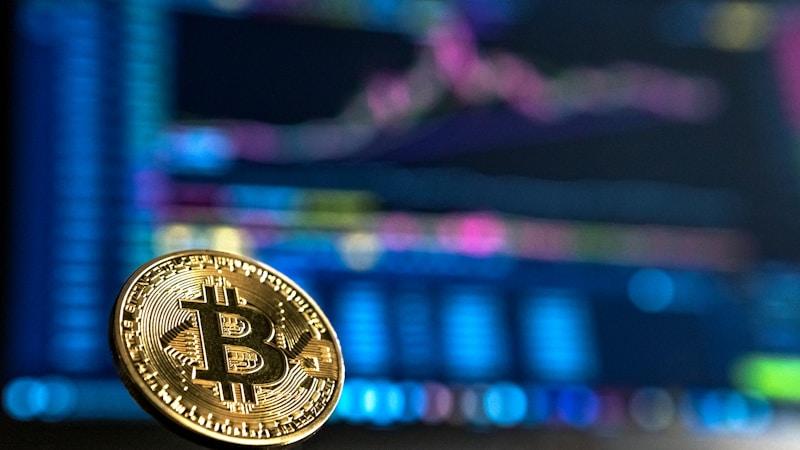
U.S. President Donald Trump's refusal to negotiate with Iran and demand for unconditional surrender has triggered a sharp rise in oil prices while sending Bitcoin and global stock markets lower. The geopolitical tensions between the U.S. and Iran have intensified, with Trump's administration rejecting any diplomatic compromise. Oil prices surged on concerns over potential disruptions to Middle East energy supplies, while Bitcoin fell by over 8% amid increased risk-off sentiment. Major stock indices like the S&P 500 and Nasdaq also declined as investors sought safer assets.
The market reaction highlights the sensitivity of financial assets to geopolitical risks. Oil's surge reflects fears of supply chain disruptions in a region accounting for 20% of global crude production. Bitcoin's volatility underscores its role as a speculative asset during uncertain times, while equities face pressure from reduced risk appetite. Traders are now closely monitoring Iran's response and potential U.S. military actions.
For global markets, the situation could escalate into a prolonged crisis affecting energy markets and investor confidence. Gulf investors should watch oil price movements and regional geopolitical developments. The Fed's policy outlook may also shift if inflationary pressures from higher energy costs emerge. Key assets to monitor include Brent crude, Bitcoin, and U.S. equity indices.
The outlook for the Fed grew cloudier on Friday, as the employment market weakened appreciably even as inflation could be worsening.