تفاصيل الخبر
ارتفعت عقود نيكاي الآجلة بنسبة 3.8% لتصل إلى 56310، محققة ارتداداً قوياً بعد تراجع بـ3.6% في الجلسة السابقة، مما يعكس تحسن المعنويات في الأسواق الآسيوية. يظل المؤشر الياباني مدعوماً بارتفاع 7.7% على أساس سنوي و45% على مدى عام، مدفوعاً بتقييمات منخفضة وتفاؤل قطاع التكنولوجيا. أكد مصرف اليابان التزامه برفع أسعار الفائدة في ظل ارتفاع أسعار الطاقة، بينما سجل مؤشر مديري المشتريات الياباني أعلى مستوى له في عامين كدلالة على تعافي اقتصادي دوري. تعكس هذه الزيادة الثقة في الأساسيات الاقتصادية اليابانية رغم التقلبات القصيرة الأجل. يراقب التجار السياسة النقدية الصارمة لمصرف اليابان وتأثيرها على السيولة. في الوقت نفسه، يثير تراجع السوق الكوري الجنوبي بنسبة 11% بسبب تصفية استثمارات تجزئية من المستثمرين المحليين مخاوف حول تدفقات الأسهم الإقليمية. بالنسبة لأسواق الفوركس، ستكون التفاعلات بين أسعار الطاقة والسياسات النقدية حاسمة، إذ قد تدفع ارتفاع تكاليف النفط البنوك المركزية لرفع الفائدة، مما يؤثر على العملات الرئيسية. من المهم للمستثمرين في الخليج والمشرق العربي مراقبة تحركات السوق اليابانية كمقياس محتمل للاستقرار الأوسع، إلى جانب المخاطر الجيوسياسية المتزايدة. تشير منحى النفط إلى ضغوط محدودة على الأسعار على المدى الطويل، مع تداولات ديسمبر في وول ستريت عند 65 دولاراً. إذا تفاقم الصراع، قد تدفع أسعار الطاقة البنوك المركزية إلى اتخاذ سياسات أكثر صرامة، مما يشكل تأثيراً على السيولة العالمية. يجب على المستثمرين الانتباه إلى التطورات في أسعار السلع الأولية والقرارات النقدية القادمة.
Nikkei futures surged 3.8% to 56,310, reversing a 3.6% decline from the previous day, driven by improved sentiment in Asian markets. The Japanese index remains up 7.7% year-to-date and 45% over the past year, supported by low valuations and tech sector optimism. The Bank of Japan reaffirmed its commitment to rate hikes amid rising energy prices, while the Japanese PMI hit a two-year high, signaling cyclical strength. However, volatility persists as markets grapple with mixed signals from global events and energy price fluctuations.
The rebound in Nikkei futures highlights investor confidence in Japan's market fundamentals despite short-term turbulence. Traders are closely monitoring the Bank of Japan's hawkish stance and its potential impact on liquidity. Meanwhile, South Korea's 11% market drop due to retail investor unwinding adds uncertainty to regional equity flows. For forex markets, the interplay between energy prices and central bank policies will be critical, as higher oil costs could force further rate hikes, influencing the USD and other majors.
Looking ahead, the key focus remains on energy markets and central bank decisions. The crude oil curve suggests limited long-term price pressures, with December WTI trading near $65. If the conflict escalates, energy prices could push central banks toward tighter monetary policy, affecting global liquidity. Investors should watch Japan's measured market movements as a potential barometer for broader market stability, alongside evolving geopolitical risks and their impact on commodity prices.
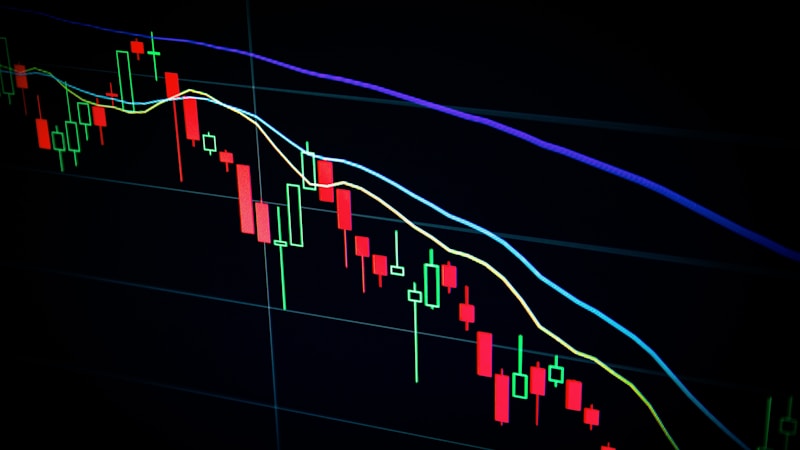
We are going to get a bounce in Asian stock markets today but the question is: How high.Nikkei futures are trading at 56,310 versus the close yesterday of 54,245 in the cash market. That's a healthy 3.8% rally following a 3.6% decline yesterday. I should warn that cash prices don't always follow futures and with volatility this high, there will be two-way trading.The chart tells something of the story. Yes, the decline yesterday was a blow but the index remains up 7.7% year-to-date and a whopping 45% in the past year. The market likes the low multiples in Japanese stock markets and some of the technology.The Bank of Japan leader reiterated plans to continue with rate hikes and that's not a surprise given rising energy prices. The Japanese PMI yesterday also hit a two-year high in a sign of a cyclical uplift.Eyes will also remain on Korea after the 11% decline yesterday. The drop was blamed on retail as a frenzy into domestic stocks from Korean investors unwound. That's some real Bill Hwang stuff in what's turned into a crazy market.The Japanese move has been more measured and that's why I think it's a better barometer on whether the selling will stabilize.Ultimately, the economy and interest rates -- not the war -- will determine what comes next for markets. The complication is that that the war is pushing up oil and natural gas prices, which could force central banks to hike rates or be more hawkish incrementally. But when I look out the crude curve, the market is pricing in a short-term disruption. December WTI is only up to $65 from $62 before the bombs and $58 in the pre-war build up. Even if we double or tripled the anticipated length of the war to 8 or 12 weeks, the year-end outlook for energy could revert. This article was written by Adam Button at investinglive.com.