تفاصيل الخبر
أشار آرثر هايز، المُحلل السابق في ، إلى أن الأسواق المالية العالمية تقلل من مخاطر الحرب الأطول في الشرق الأوسط. في مقابلة مع ، أوضح أن التسعير الحالي للأسواق لا يأخذ في الاعتبار احتمالات تعطيل سلاسل توريد النفط، أو التقلبات الجيوسياسية، أو التمديدات في العمليات العسكرية. يُشير هايز إلى أن أسعار الطاقة قد ترتفع بشكل كبير إذا تصاعد النزاع، مما يُثير ضغوط التضخم ويُعقّد سيولة الاقتصادات العالمية. تُعد هذه المخاطر الجيوسياسية المُ ّرة مصدر قلق كبير للمستثمرين والمتداولين. قد تؤدي الحرب المُمتدة في الشرق الأوسط إلى تهديد استقرار أسواق النفط، مما يُسبب تقلبات حادة في الأسعار ويزيد الطلب على الأصول الآمنة مثل البيتكوين. يُشير هايز إلى أن دور البيتكوين كوسيلة للتحوط ضد التضخم وانخفاض قيمة العملات قد يكتسب زخماً في هذه السيناريوهات، خاصةً إذا تأثرت سياسات البنوك المركزية بانهيار الطاقة. للمستثمرين في منطقة الخليج، فإن المراقبة المكثفة للتطورات الجيوسياسية في الشرق الأوسط، بما في ذلك الجهود الدبلوماسية والتحركات العسكرية، ستكون حاسمة. يجب على المتداولين في النفط مراقبة تقلبات الأسعار، بينما قد يتابع مستثمرو البيتكوين أداء العملة كوسيلة للتحوط ضد التضخم. سيؤثر سياسات البنوك المركزية وحالة السيولة العالمية بشكل كبير على النتائج السوقية.
Arthur Hayes, former BitMEX CEO and cryptocurrency analyst, warns that global financial markets are underestimating the risk of a prolonged conflict in the Middle East. In an interview with Cointelegraph, he argues that current market pricing fails to account for potential disruptions in oil supply chains, geopolitical volatility, and extended military engagements. Hayes highlights that energy prices could surge significantly if the conflict escalates, creating inflationary pressures and liquidity challenges for global economies.
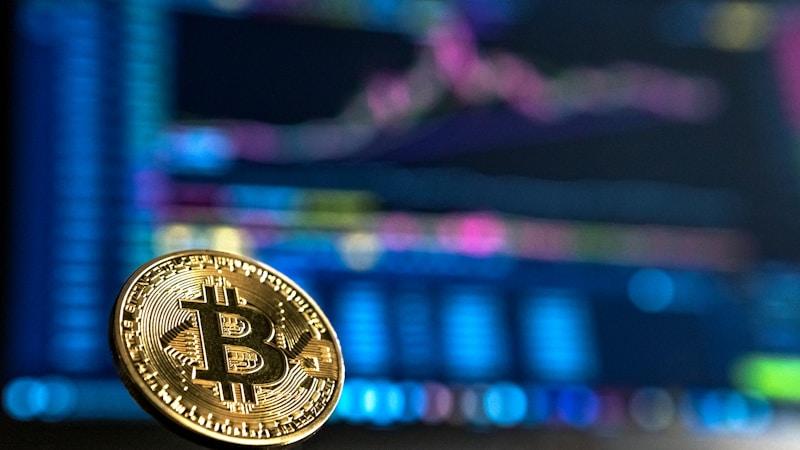
This underpricing of geopolitical risk is particularly concerning for traders and investors. A prolonged Middle East war could destabilize oil markets, leading to sharp price swings and increased demand for safe-haven assets like Bitcoin. Hayes suggests that Bitcoin’s role as a hedge against inflation and currency devaluation may gain traction in such scenarios, especially if central banks struggle to maintain stability amid energy shocks.
For markets, the key focus will be on monitoring developments in the Middle East, including diplomatic efforts and military movements. Energy traders should watch oil price volatility, while crypto investors may track Bitcoin’s performance as a potential inflation hedge. Central bank policies and global liquidity conditions will also play a critical role in shaping market outcomes.
In a Cointelegraph interview, Arthur Hayes explains why global markets may not be pricing in a longer war in the Middle East, and what that may mean for energy prices, liquidity and Bitcoin.