
تفاصيل الخبر
أعاد القائد الأعلى لإيران آية الله علي خامنئي التأكيد على رفضه للعقوبات الغربية على صادرات النفط، مما قد يؤدي إلى اضطرابات في سوق الطاقة العالمية. أشارت تصريحات حديثة إلى احتمال خفض إيران لصادراتها إذا بقيت العقوبات سارية، مما يهدد سلاسل التوريد العالمية. يُرجّح أن إشارة "الحمص القمري" ترمز إلى توترات جيوسياسية متعددة، رغم عدم وضوح تأثيرها المباشر على الأسواق. يُلاحظ الخبراء أن أي تصعيد في سياسة إنتاج النفط الإيرانية قد يؤثر على أسعار النفط الخام، نظراً لدور إيران المركزي في اتفاق أوبك+. يُنصح التجار بمراقبة اجتماعات أوبك+ والتطورات الدبلوماسية بين إيران والولايات المتحدة لمعرفة التقلبات المحتملة في سوق الطاقة. للمستثمرين في السلع، يبرز الوضع التوازن الحساس بين المخاطر الجيوسياسية وطلب الطاقة. خفض صادرات النفط الإيرانية قد يخلق فجوات في العرض قصيرة المدى، مما يرفع الأسعار، بينما قد تؤدي التوترات المستمرة إلى ردع الاستثمار في القطاع. ترمز إشارة "الحمص القمري"، رغم غموضها، إلى عدم الاستقرار الأوسع في الشرق الأوسط المتأثر بالنقل البحري. قد تقوم البنوك المركزية والشركات الطاقة بتعديل استراتيجيات التحوط بناءً على تطور سياسة إيران. يجب على المشاركين في السوق مراقبة تحديثات الإعفاءات من العقوبات والامتثال الإيراني لاتفاق أوبك+. يواجه المستثمرون في منطقة الخليج تحدٍ مزدوج: التضخم الناتج عن ارتفاع أسعار النفط والمخاطر الأمنية الإقليمية. قد تستفيد دول مجلس التعاون الخليجي من العائدات الأعلى من الطاقة، لكنها قد تواجه تأثيرات اقتصادية من الصراعات المستمرة. المؤشرات الرئيسية التي يجب متابعتها تشمل مستقبلات النفط الخام برنت، قوة الدولار الأمريكي مقابل اليورو، وتقارير إنتاج أوبك+. يظل المزاج السوق محايداً حتى تصدر إيران وشركاؤها الدوليون إجراءات سياسية ملموسة.
Iran's Supreme Leader Ayatollah Ali Khamenei has reiterated his stance against Western oil sanctions, signaling potential disruptions to global energy markets. Recent comments suggest Iran may further reduce oil exports if sanctions are not lifted, impacting global supply chains. The mention of 'lunar hummus' appears to be a metaphorical reference to unrelated geopolitical tensions, though its direct market relevance remains unclear. Analysts note that any escalation in Iran's oil production or export policies could influence crude prices, given the country's role as a key OPEC+ member. Traders are advised to monitor OPEC+ meetings and U.S.-Iran diplomatic developments for potential volatility in energy markets.
For commodity traders, the situation highlights the delicate balance between geopolitical risks and energy demand. A reduction in Iranian oil exports could create short-term supply gaps, pushing prices higher, while prolonged tensions might deter investment in the sector. The 'lunar hummus' reference, though ambiguous, may symbolize broader Middle East instability affecting trade routes. Central banks and energy firms are likely to adjust hedging strategies based on evolving Iran policy. Market participants should watch for updates on sanctions waivers and Iran's compliance with OPEC+ output targets.
MENA investors face a dual challenge: potential inflation from higher oil prices and regional security concerns. Gulf Cooperation Council (GCC) countries may benefit from higher energy revenues but could also face economic spillovers from prolonged conflicts. Key indicators to track include Brent crude futures, U.S. dollar strength against the euro, and OPEC+ production reports. The sentiment remains neutral as the market awaits concrete policy actions from Iran and its international partners.
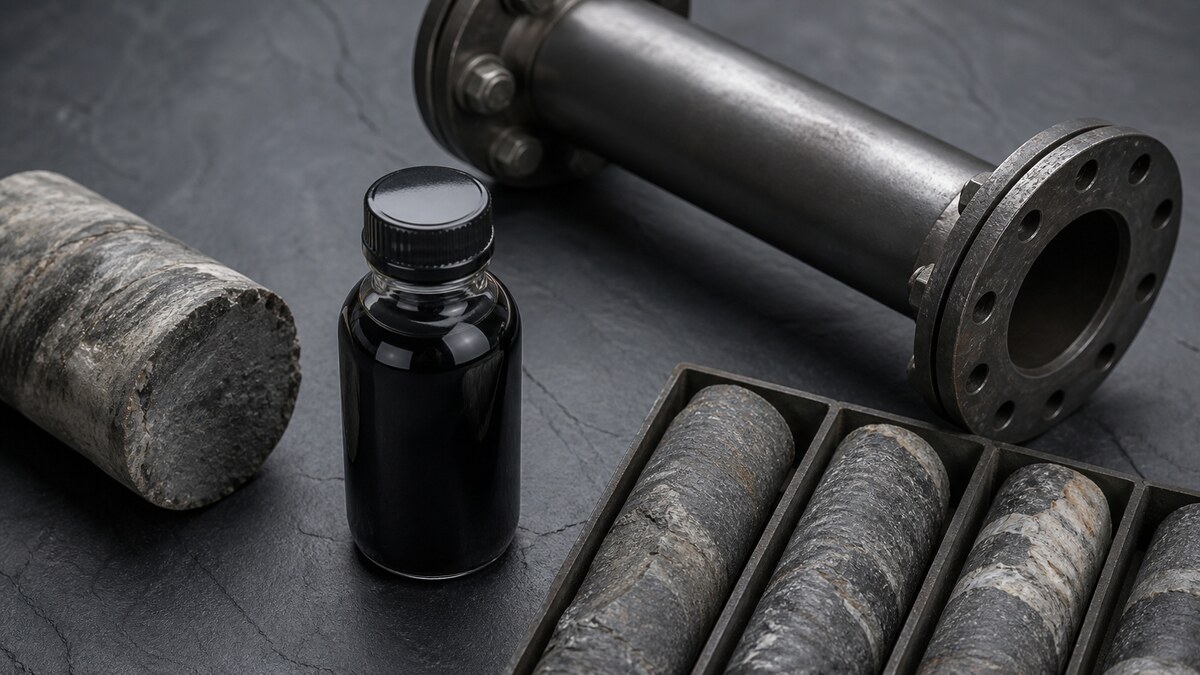
Iran’s supreme leader, oil and lunar hummus Reuters




