تفاصيل الخبر
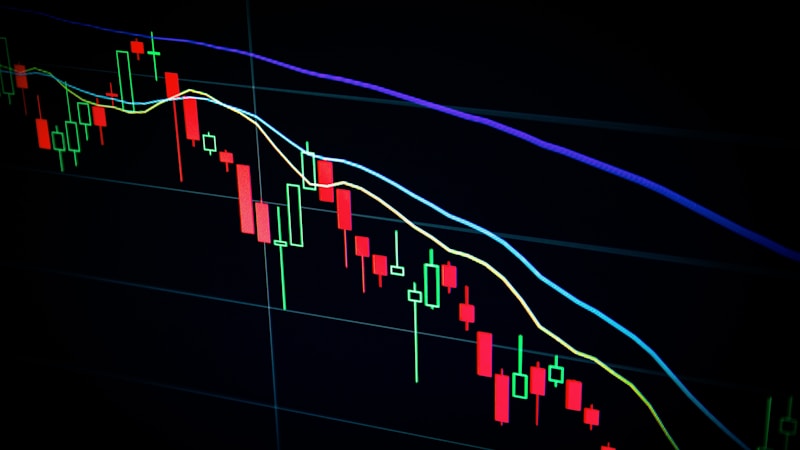
تراجعت مؤشرات الأسهم الأوروبية بشكل حاد، حيث تراجع مؤشر يورو ستوكس 50 بنسبة 6% على مدى يومين قبل ارتداد طفيف، بينما سجل مؤشر DAX هبوطًا بنسبة 4.3% منذ 27 فبراير بسبب التوترات الجيوسياسية المتزايدة، خصوصًا مع إيران وأفعال الولايات المتحدة العسكرية. يشير المحللون إلى أن الارتفاع الأخير لمؤشر DAX قد يكون "ارتدادًا مؤقتًا" قبل هبوط أكبر، ويحذرون من أن اختراق مستوى 24000 قد يُثير تراجعات أعمق. ويزداد خطر اضطرابات الطاقة في الشرق الأوسط من التقلبات السوقية. للمستثمرين، يمثل مستوى 24000 دعمًا حيويًا لمؤشر DAX. اختراقه قد يُظهر زخمًا نزوليًا مستمرًا، مما يؤثر على الأسواق الأوروبية الأوسع نطاقًا وثقة المستثمرين. تؤثر المخاطر الجيوسياسية، خصوصًا في المناطق المعتمدة على الطاقة، على التقلبات، مما يجعل إدارة المخاطر أمرًا بالغ الأهمية. يوفر أداء يورو ستوكس 50 رؤى حول صحة الأسواق الإقليمية. يجب على المستثمرين في دول الخليج مراقبة كيف تؤثر تقلبات أسعار الطاقة والتوترات الجيوسياسية على الأسواق الأوروبية، التي ترتبط بسلاسل التوريد العالمية. قد يؤثر تحرك مؤشر DAX على الأسهم الخليجية عبر الشركات المدرجة في الخارج وشهية المستثمرين للمخاطرة. المؤشرات الرئيسية التي يجب مراقبتها تشمل سياسة الولايات المتحدة العسكرية وقرارات أوبك+ بشأن إنتاج النفط.
European equities have experienced a sharp decline, with the Euro STOXX 50 dropping 6% over two days before a minor rebound. The DAX index has fallen 4.3% since February 27 amid escalating geopolitical tensions, particularly involving Iran and U.S. military actions. Analysts suggest the DAX's recent bounce may be a 'dead cat bounce'—a temporary recovery before further losses—and warn that a break below 24,000 could trigger deeper declines. Heightened risks of prolonged Middle East energy disruptions add to market volatility.
For traders, the 24,000 level acts as a critical support for the DAX. A breach here could signal sustained bearish momentum, impacting broader European markets and investor sentiment. Geopolitical risks, especially in energy-dependent regions, may amplify volatility, making risk management crucial. The Euro STOXX 50's performance also offers insights into regional market health.
MENA investors should monitor how energy price fluctuations and geopolitical tensions affect European markets, which are interconnected with global trade. The DAX's movement could influence Gulf equities through cross-listed companies and investor risk appetite. Key indicators to watch include U.S. military policy developments and OPEC+ decisions on oil production.
Key takeaways European equities have weakened sharply, with the Euro STOXX 50 falling 6% over two days before a modest rebound, while the DAX remains down 4.3% since 27 February amid heightened geopolitical tensions. Ongoing conflict involving Iran and military actions authorised in the United States Senate risk prolonging Middle East energy disruptions, potentially raising […] The post Chart Alert: DAX’s Dead Cat Bounce May Have Ended, Watch 24,000 Downside Trigger appeared first on ActionForex