تفاصيل الخبر
أفادت تقارير أن شركات تعدين البيتكوين الكبرى تبيع ما مجموعه 15,000 وحدة من العملة منذ أكتوبر 2023، نتيجة ضغوط مالية متزايدة تشمل تكاليف الطاقة المرتفعة وهبوط أسعار البيتكوين. هذا التصرف يعكس تحولاً استراتيجياً من استراتيجية الاحتفاظ بالعملات إلى بيعها للحصول على سيولة، حيث تسعى شركات التعدين إلى سداد ديونها وتحقيق استدامة تشغيلية. أعلنت شركات مثل Bitfarms و Argo Blockchain عن مبيعات كبيرة خلال الأشهر الماضية، مما يشير إلى اتجاه صناعي واسع. هذا التطور قد يزيد الضغط الهابط على سعر البيتكوين مع دخول مزيد من البيع من المساهمين المؤسسيين إلى السوق. يجب على المتداولين مراقبة حركة الأسعار بالقرب من مستويات الدعم المهمة (30,000–28,000 دولار) لمعرفة مؤشرات على التخلي أو الاستقرار. كما أن هذه الضغوط تعكس تحديات هيكلية في قطاع التعدين، حيث تؤثر تكاليف الطاقة ونسبة الهاش على ديناميكيات الربحية. للمستثمرين في المنطقة، يشير هذا التحول من استراتيجية الاحتفاظ إلى البيع إلى مرحلة محتملة من التفاؤل السلبي في الدورة السوقية. يتحول التركيز الآن إلى ما إذا كان البيتكوين قادرًا على الاستقرار فوق 35,000 دولار لجذب مشترين جدد، أو إذا كانت مبيعات التخلي ستؤدي إلى هبوط أكبر. كما أن الرقابة التنظيمية على عمليات التعدين والسياسات النقدية العالمية ستؤثر على مسار البيتكوين في 2024.
Public Bitcoin miners have sold 15,000 BTC since October 2023 amid declining profitability, debt burdens, and a strategic shift from long-term holding to liquidity generation. The sales reflect deteriorating operational margins due to rising energy costs and falling Bitcoin prices, forcing miners to prioritize debt repayment and operational sustainability. Major mining firms like Bitfarms and Argo Blockchain have disclosed significant BTC sales in recent months, signaling a broader industry trend.
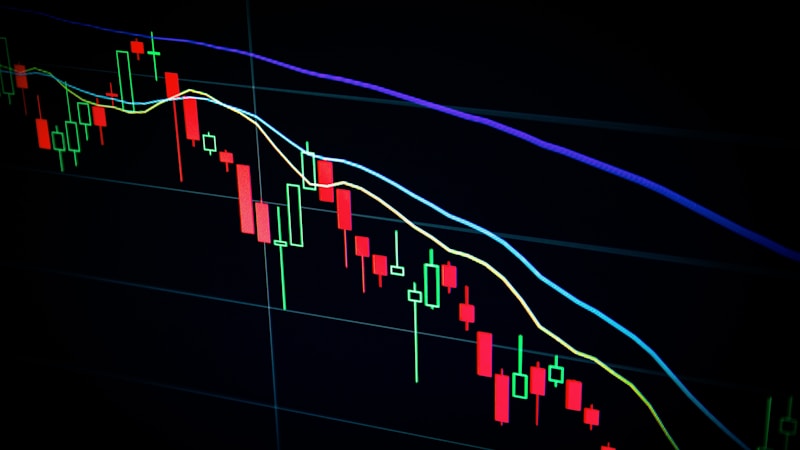
This development could intensify downward pressure on Bitcoin’s price as increased selling from institutional holders enters the market. Traders should monitor Bitcoin’s price action near key support levels ($30,000–$28,000) for signs of capitulation or stabilization. The selling pressure also highlights structural challenges in the mining sector, where energy costs and hash rate competition are reshaping profitability dynamics.
For crypto investors, the shift from 'hold' to 'sell' strategies indicates a potential bearish phase in the market cycle. The focus now turns to whether Bitcoin can stabilize above $35,000 to attract new buyers or if further capitulation selling will drive prices lower. Regulatory scrutiny of mining operations and macroeconomic factors like Fed policy will also influence the trajectory of Bitcoin in 2024.
Public miners are trimming Bitcoin reserves as tightening margins, debt pressure and a post-crash reset force the industry to rethink its once-popular hold strategy.