Article details
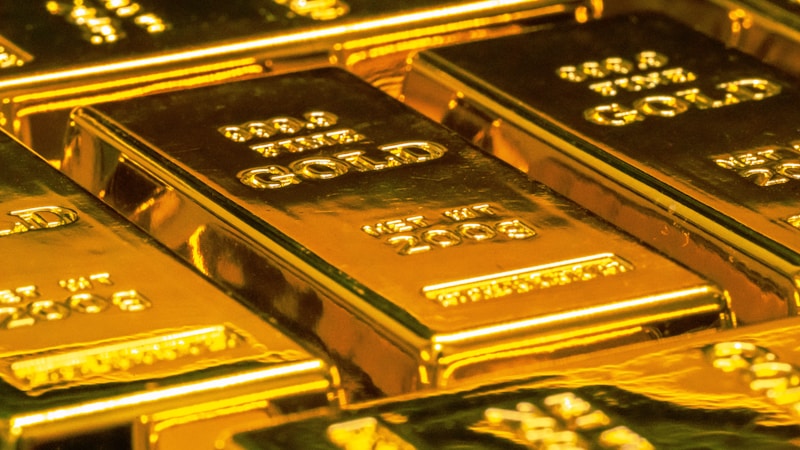
Gold prices fell to around $4,100 during the Asian session on Wednesday as renewed US-Iran tensions sparked selling pressure. The decline followed reports of attacks on three oil tankers near the Strait of Hormuz and the US threatening a military response. Despite gold's traditional role as a safe-haven asset, the market reaction suggests investors are prioritizing liquidity or shifting to other assets amid geopolitical risks. The Strait of Hormuz, a critical oil transit chokepoint, has historically driven gold volatility during regional conflicts.
The move highlights the complex interplay between geopolitical events and commodity markets. While heightened tensions usually boost gold demand, the current context—where the US is signaling potential military action—may be causing traders to anticipate dollar strength or oil price spikes instead. This divergence underscores the importance of monitoring both regional developments and central bank policy shifts. Traders should watch for further attacks in the strait, US-Iran diplomatic moves, and how the Federal Reserve's stance on interest rates interacts with these dynamics.
For Gulf investors, the situation presents a dual risk-reward scenario. A prolonged conflict could disrupt oil flows, boosting energy prices and indirectly affecting gold. Conversely, a swift resolution might reverse the current trend. MENA market participants should also consider how regional stability perceptions influence portfolio allocations. Key indicators to track include OPEC+ production decisions, Iranian nuclear program developments, and US sanctions enforcement.