Article details
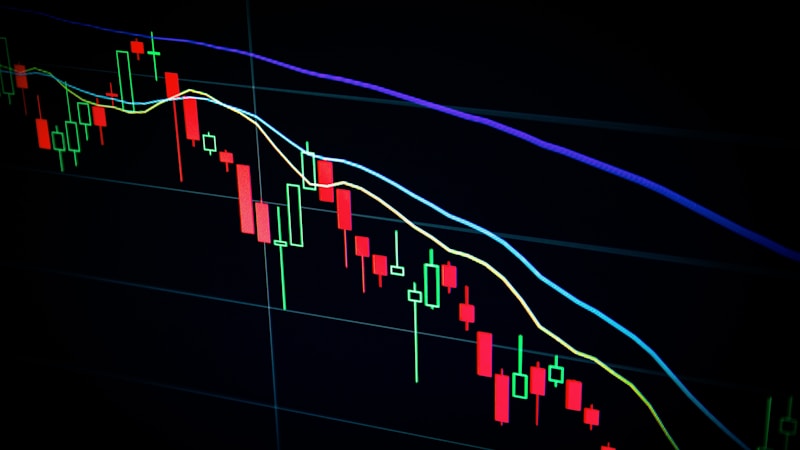
West Texas Intermediate (WTI) crude oil stabilized below $72.00 during the Asian session on Friday, halting its previous day's decline amid conflicting signals between the US and Iran over potential tensions. The price action reflects cautious market sentiment as investors weigh geopolitical risks against supply-demand fundamentals. While OPEC+ production cuts have supported oil prices, recent volatility highlights the sensitivity of energy markets to Middle East developments. Traders are closely monitoring diplomatic interactions between Washington and Tehran, with any escalation potentially triggering sharp price swings. The $72.00 level now serves as a critical technical support/resistance zone for near-term price direction decisions.
The consolidation below $72.00 underscores the delicate balance between geopolitical uncertainty and economic recovery dynamics. For energy traders, this price range represents a key inflection point where a breakout could signal renewed bullish momentum, while a breakdown might accelerate bearish pressure. Market participants are also assessing the impact of US shale production trends and global demand forecasts from the IEA. Geopolitical tensions in the Gulf remain a wildcard, with potential disruptions to shipping routes or production facilities posing significant risks to market stability.
Looking ahead, investors should monitor upcoming OPEC+ meetings for production policy updates and track the US-Iran dialogue for any policy shifts. Technical indicators suggest that sustained trading above $73.50 could attract new buyers, while a drop below $70.00 might invite short-term selling. Energy market participants should also evaluate the broader macroeconomic context, including inflation data and central bank policies that influence commodity demand. The interplay between geopolitical developments and technical price levels will likely dictate short-term volatility in crude oil markets.