Article details
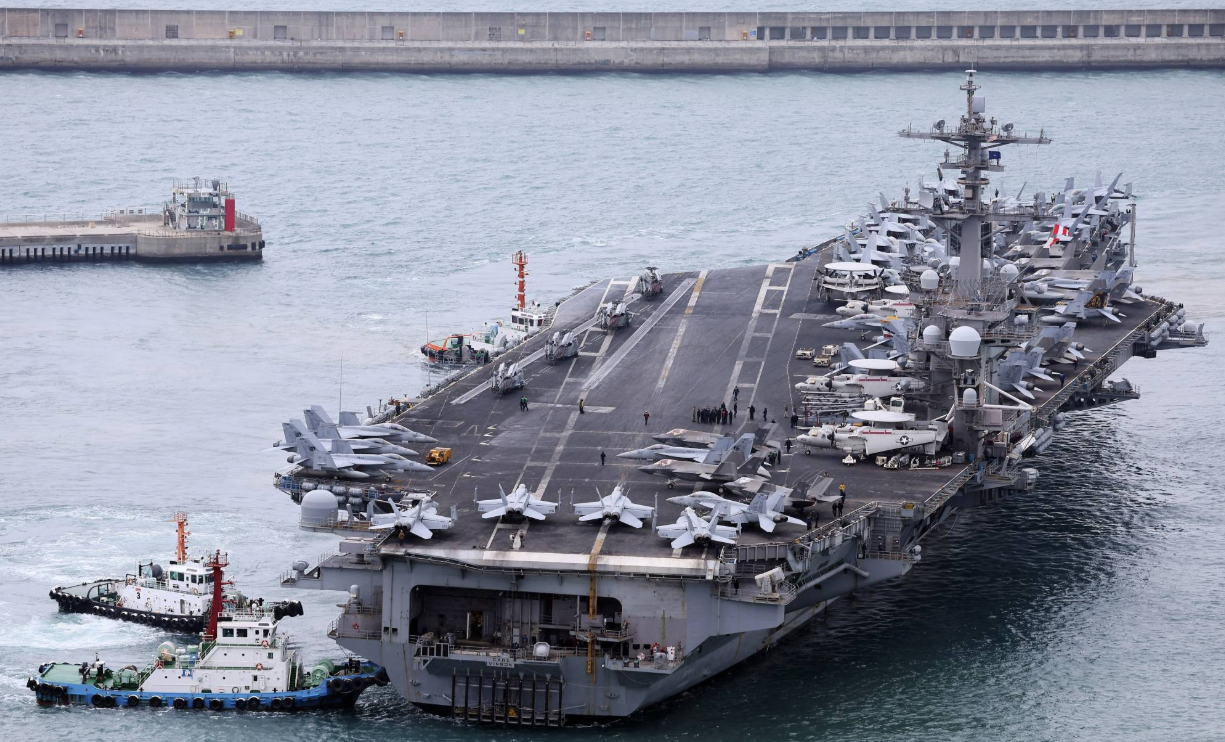
The U.S. Central Command (CENTCOM) launched a series of strikes against Iran in response to reported Iranian attacks on three tankers in the Strait of Hormuz. The U.S. described the Iranian actions as unprovoked and a violation of a ceasefire, emphasizing the threat to commercial shipping. Iranian media reported that six projectiles struck the Tahrouyi pier in Sirik, though CENTCOM did not specify the targets of its strikes. The escalation raises concerns about regional stability and could disrupt global oil supplies, as the Strait of Hormuz is a critical chokepoint for oil exports.
The conflict has immediate implications for energy markets, particularly crude oil prices, which may surge due to fears of supply disruptions. Geopolitical tensions often drive volatility in equities and commodities, with the U.S. and Middle Eastern markets facing heightened uncertainty. Traders should monitor further developments in the region, including potential retaliatory measures or diplomatic interventions that could either escalate or de-escalate the situation.
For investors, the situation underscores the importance of hedging against geopolitical risks. Oil and gas sectors, as well as regional equities, may experience significant swings. Traders should also watch for central bank responses and shifts in global risk appetite, which could influence broader market trends in the coming weeks.