Article details
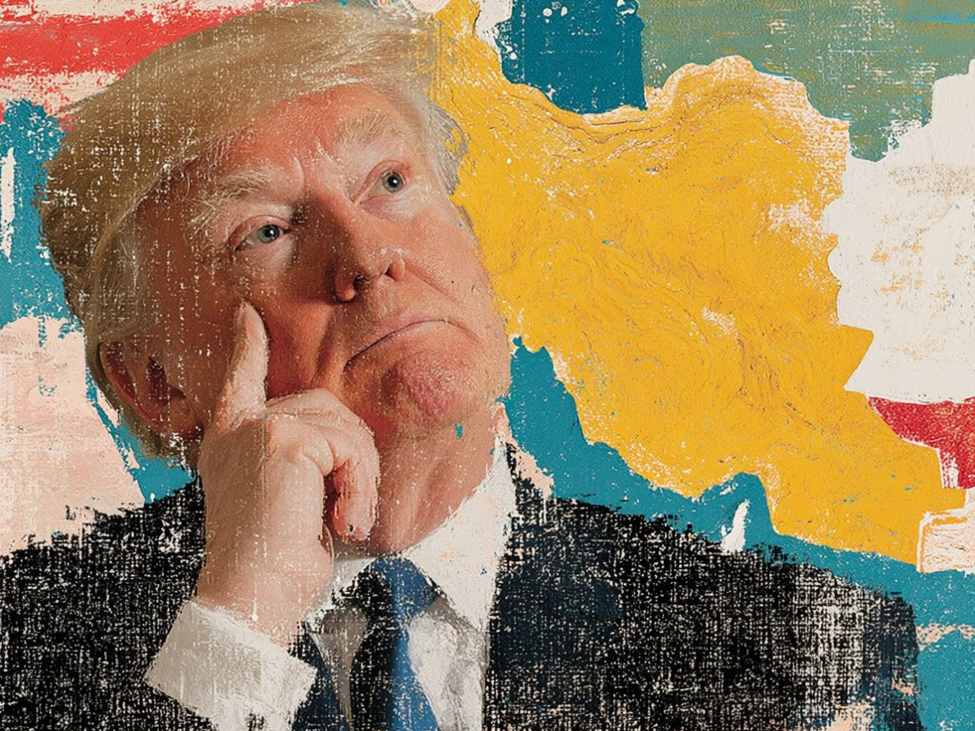
President Donald Trump has postponed a planned military strike against Iran following requests from Saudi Arabia and the United Arab Emirates, citing ongoing diplomatic negotiations. The decision, announced via social media, has eased immediate geopolitical tensions in the Middle East, which had previously driven crude oil prices higher. Crude oil prices subsequently retreated to $102.37, down from $105.21, though they remain above key technical levels like the 100-hour and 200-hour moving averages. Meanwhile, U.S. stock indices like the Nasdaq and S&P 500 showed mixed performance, with the Nasdaq down -0.89% and the S&P 500 down -0.41% as of the latest data.
The market reaction highlights the sensitivity of energy and equity markets to geopolitical developments. Reduced military action risk may stabilize oil prices in the short term, but prolonged uncertainty could reignite volatility. Traders are closely watching whether diplomatic efforts lead to a lasting resolution or if tensions resurface. For Gulf investors, the outcome of these negotiations could influence regional economic stability and trade dynamics.
Investors should monitor upcoming statements from Saudi and U.S. officials, as well as Iran’s response, for clues about the trajectory of negotiations. Technical indicators for crude oil, such as support levels around $97.34–$98.58, will be critical for assessing further price movements. Broader market sentiment may also shift based on how geopolitical risks evolve in the coming weeks.