Article details
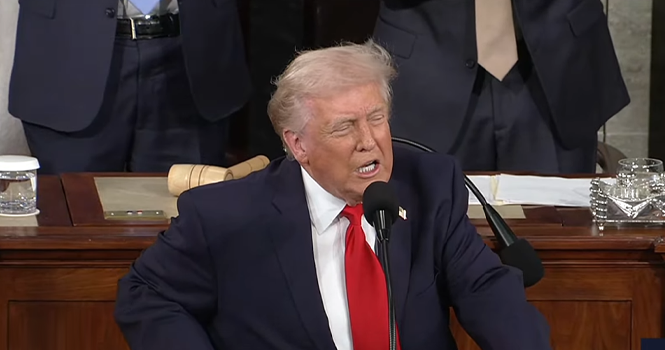
US President Donald Trump announced the cancellation of a planned military strike on Iran scheduled for Tuesday, citing pressure from Middle Eastern leaders during ongoing negotiations. In a post on Truth Social, Trump stated he had instructed military officials to halt the operation but emphasized readiness for a large-scale attack if diplomatic efforts fail. The decision reflects a temporary de-escalation in US-Iran tensions but leaves the door open for renewed conflict if negotiations collapse.
The cancellation could stabilize regional markets in the short term by reducing immediate geopolitical risks. However, the unresolved threat of future military action may create volatility in energy markets, particularly oil prices, given Iran's influence on global supply chains. Traders should monitor developments in Middle Eastern diplomacy and potential shifts in US foreign policy.
For Gulf investors, the situation highlights the interconnectedness of geopolitical events and financial markets. A failed agreement could trigger renewed sanctions on Iran or military posturing, impacting energy prices and regional stability. Key indicators to watch include OPEC+ policy adjustments, oil price fluctuations, and statements from Gulf Cooperation Council (GCC) nations.