Article details
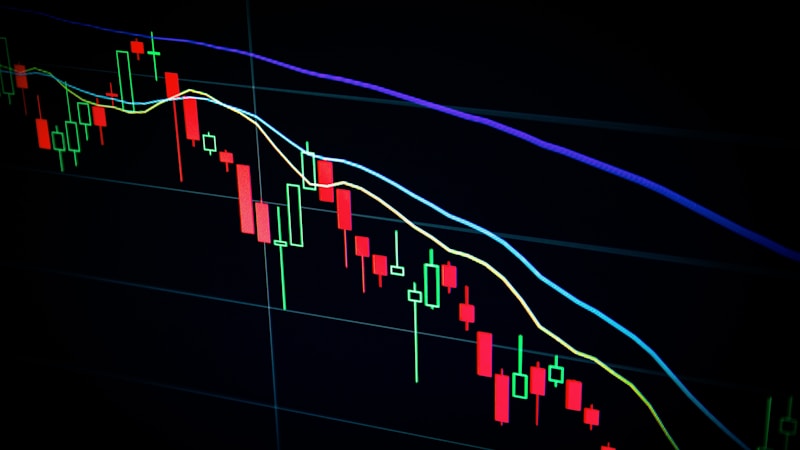
Oil prices declined slightly on Monday as U.S. officials indicated progress in indirect negotiations with Iran aimed at reviving the 2015 nuclear deal. The potential easing of U.S. sanctions on Iran could allow Tehran to increase crude exports, which were previously restricted to around 200,000 barrels per day. This development has raised concerns about a potential oversupply in the global oil market, weighing on prices. The U.S. and Iran have been engaged in talks through intermediaries, including China and the European Union, to resolve differences over sanctions and nuclear inspections.
The market reaction highlights the sensitivity of oil prices to geopolitical developments and supply dynamics. A successful resolution to the U.S.-Iran standoff could lead to a significant increase in Iranian oil exports, challenging OPEC+ production cuts and potentially lowering global crude prices. Traders are also monitoring the broader Middle East tensions and U.S. energy policy shifts under the Biden administration. The situation underscores the importance of diplomatic efforts in shaping energy markets.
Investors should watch for updates on the progress of U.S.-Iran negotiations and any announcements regarding sanctions relief. Additionally, OPEC+ decisions on production quotas and U.S. shale output trends will remain critical factors. The interplay between geopolitical risks and supply-demand fundamentals will likely keep oil prices volatile in the near term, with implications for energy-importing economies and oil-dependent Gulf nations.