Article details
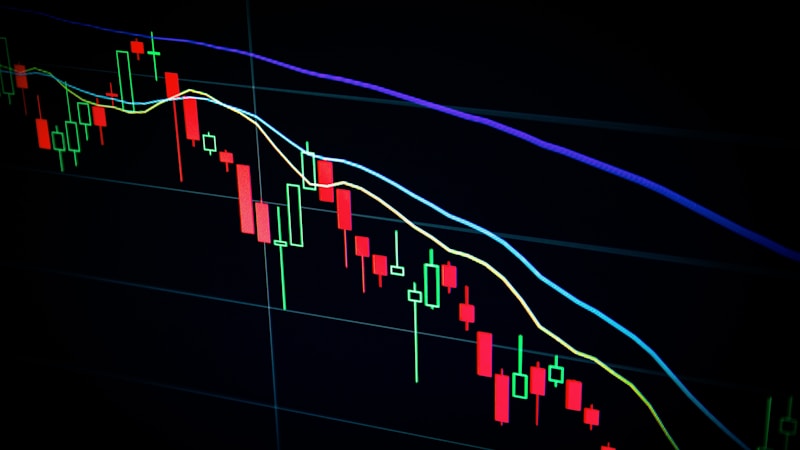
تراجعت عقود النفط الخام من نوع وست تكساس الوسيط (__) بنسبة 1.2% إلى 75.50 دولارًا خلال جلسة التداول الآسيوية يوم الاثنين، مدفوعةً بتفاؤل حول تقدم المحادثات بين الولايات المتحدة وإيران. يشير المحللون إلى أن تهدئة التوترات الجيوسياسية بين البلدين قد تخفف مخاوف تعطيل إمدادات الخليج الفارسي، وهو طريق رئيسي للنفط. هذا التراجع يندرج ضمن اتجاه أوسع لأسواق الطاقة التي تستجيب للتطورات الدبلوماسية، مع إعادة المتداولين تقييم المخاطر المرتبطة بالاضطرابات في الشرق الأوسط. يُظهر هبوط __ حساسية الأسواق العالمية للنفط تجاه القصص الجيوسياسية. بالنسبة للمستثمرين، يُعد هذا الخبر مؤشرًا على تحول محتمل في نفسيّة السوق من الخوف إلى التفاؤل، مما قد يضغط على أسعار النفط الخام إذا استمر التقدم الدبلوماسي. ومع ذلك، تظل التقلبات مرتفعة بسبب إشارات متعارضة من منظمة أوبك+ وبيانات الإنتاج الأمريكي. يجب على المستثمرين مراقبة المفاوضات الأمريكية الإيرانية القادمة وأي إعلانات جديدة عن العقوبات أو رفعها. قد يؤدي نتائج هذه المحادثات إلى تأثيرات متتالية على أسواق الطاقة، خاصةً بالنسبة للمُنتجين في الخليج الذين يعتمدون على استقرار أسعار النفط. إذا تم رفع العقوبات، قد ترتفع صادرات إيران بشكل حاد، مما يزيد العرض العالمي ويحد من مكاسب الأسعار. يجب على المتداولين أيضًا مراقبة مستويات الدعم الفنية عند 75 دولارًا و73 دولارًا، والتي قد تحدد اتجاه الأسعار على المدى القصير. عوامل اقتصادية أوسع مثل بيانات التضخم الأمريكي وطلب الصين ستلعب دورًا في تشكيل مسار __