Article details
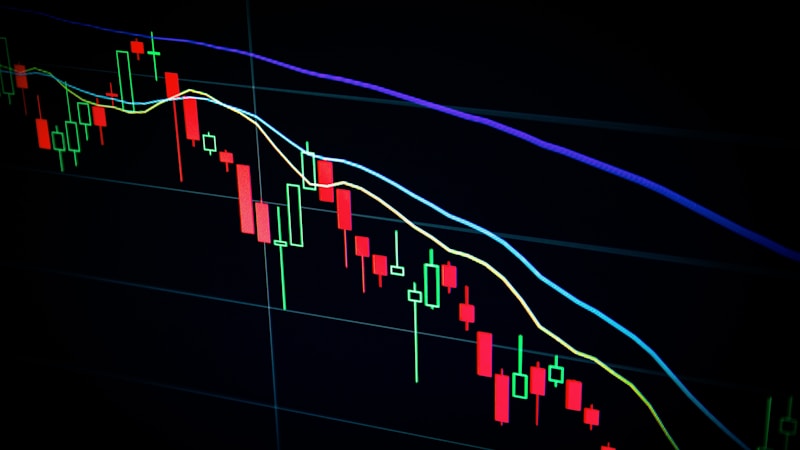
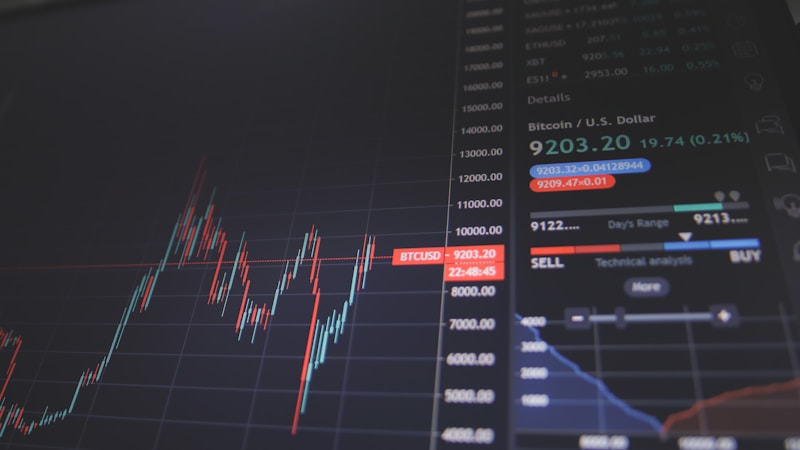
تراجعت أسعار النفط بعد إعلان لبنان وإسرائيل عن اتفاق تهدئة لوقف التصعيد في المنطقة. الاتفاق الذي تم بعد أسابيع من التصعيد يهدف إلى تهدئة الوضع في الشرق الأوسط، مما يقلل المخاوف من تعطيل إمدادات الطاقة العالمية. المحللون يرون أن تهدئة التوترات الجيوسياسية ساهمت في خفض الأسعار، لكن استمرار الاتفاق يعتمد على تنفيذه الفعّال. التطورات الجيوسياسية تُعد من العوامل الرئيسية التي تؤثر على أسعار النفط، حيث يؤدي التهدئة إلى تقليل التكاليف المرتبطة بالنقل والتأمين. هذا الاتفاق قد يدعم النشاط الاقتصادي في المنطقة على المدى القصير، لكن أي تصعيد مستقبلي سيؤثر سلبًا على الأسعار. البنوك المركزية والوكالات الطاقة ستراقب التطورات عن كثب. للمستثمرين في الخليج والم__، يُعد هذا التهدئة مؤشرًا إيجابيًا مؤقتًا، لكنه يُظهر هشاشة الاستقرار في المنطقة. الاقتصادات التي تعتمد على النفط قد تستفيد من الأسعار المنخفضة قصيرًا، لكن المصدرين قد يواجهون ضغوطًا على إيراداتهما. من المهم مراقبة تنفيذ الاتفاق والتطورات الأوسع في الشرق الأوسط، بما في ذلك التوترات بين إيران وإسرائيل وسياسات الولايات المتحدة.