Article details
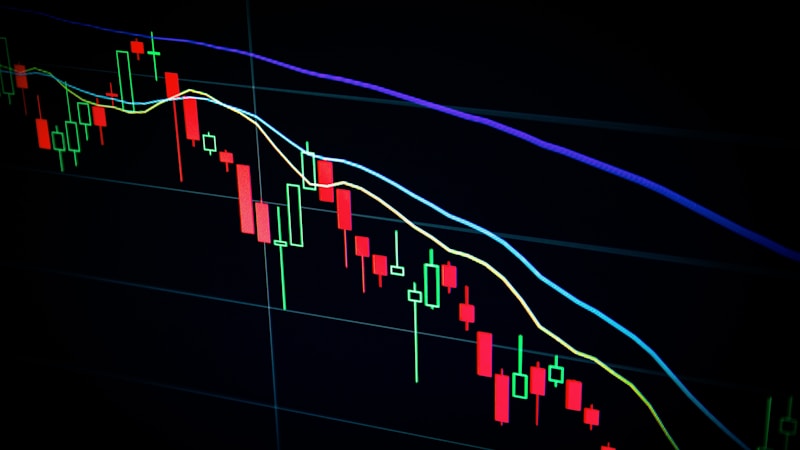
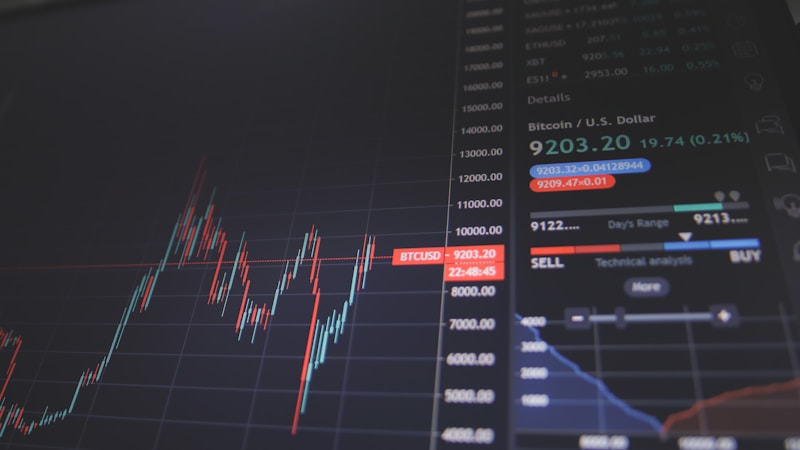
تراجعت أسعار النفط من خسائرها يوم الجمعة مع استمرار تعافي حركة الملاحة في مضيق هرمز، وهو عنق زجاجة حيوي يُصدر نحو 20% من صادرات النفط العالمية، بعد محادثات السلام بين إيران والمملكة العربية السعودية. تراجع تدفق النفط عبر المضيق خلال الأسبوع الماضي بسبب التوترات المتصاعدة، لكن استئناف العمليات العادية حالياً يخفف من مخاوف الانقطاع. تراجع سعر برنت إلى 83.50 دولار للبرميل، بينما هبط الخام الأمريكي دون 78 دولاراً. هذا التطور مهم للأسواق العالمية، إذ يمكن أن تؤدي أي انقطاعات في هرمز إلى تقلبات حادة في الأسعار. يُعيد التجار تقييم ما إذا كان تهدئة التوترات مؤقتة ستؤدي إلى استقرار مستدام أو إذا كانت المخاطر الجيوسياسية الإقليمية قد تعود. سيؤثر هذا أيضاً على سياسات إنتاج منظمة أوبك+، حيث قد تُطالب خفض الإنتاج إذا استمرت الأسعار في التراجع. للمستوردين في آسيا وأوروبا، سيُعتبر انخفاض تكاليف النفط مفيداً في المدى القصير. من المهم للمستثمرين في الخليج مراقبة اجتماعات أوبك+ القادمة وتطورات العلاقات الإيرانية-السعودية. كما أن صمود الطلب العالمي على النفط في ظل تباطؤ اقتصادي في الصين والولايات المتحدة سيكون عاملاً مهماً. يُظهر الوضع أهمية تنويع محفظات الطاقة وتغطية المخاطر الجيوسياسية في المنطقة.