Article details
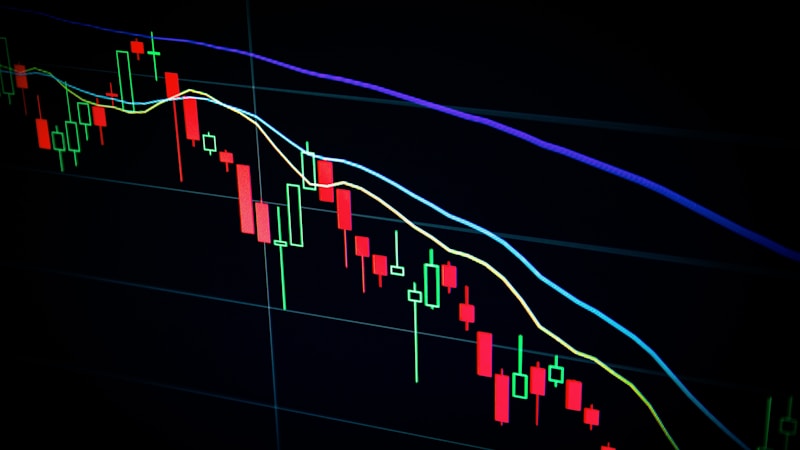
تراجعت أسعار النفط يوم الخميس بعد استئناف الشحنات في مضيق هرمز، رغم تسجيل اصطدام بسفينة بالقرب من مياه عُمان. يُعد مضيق هرمز ممراً حيوياً لتصدير 20% من النفط العالمي، وقد شهد نشاطاً متجدداً بعد مخاوف سابقة من تعطيل الإمدادات. في المقابل، أثار الحادث الأخير بالقرب من عُمان تساؤلات حول أمن الطاقة الإقليمي وتأثيره على الأسواق. تسببت الإشارات المختلطة من المضيق في تقلبات في الأسعار، حيث تراوح المؤشر بين التفاؤل والقلق. يُعتبر مضيق هرمز رابطاً استراتيجياً لدول الخليج، بما في ذلك السعودية، مما يجعل أي اضطراب فيه تهديداً للاستقرار الاقتصادي الإقليمي. يراقب التجار عن كثب أي تطورات إضافية قد تؤدي إلى تعديلات في إنتاج منظمة أوبك+ أو تغييرات في مسارات الشحن. للمستثمرين في منطقة الخليج، يُظهر الوضع حساسية المنطقة للكوارث الجيوسياسية. قد تضطر دول الخليج، بما في ذلك المملكة العربية السعودية، إلى مراجعة استراتيجيات الإنتاج إذا استمرت التوترات. يُنصح بمراقبة أي هجمات مستقبلية أو تدخلات دبلوماسية قد تؤثر على أسعار النفط، حيث سيظل التوازن بين استقرار الإمدادات والمخاطر الجيوسياسية عاملاً رئيسياً في تحديد التوجهات السوقية.