Article details
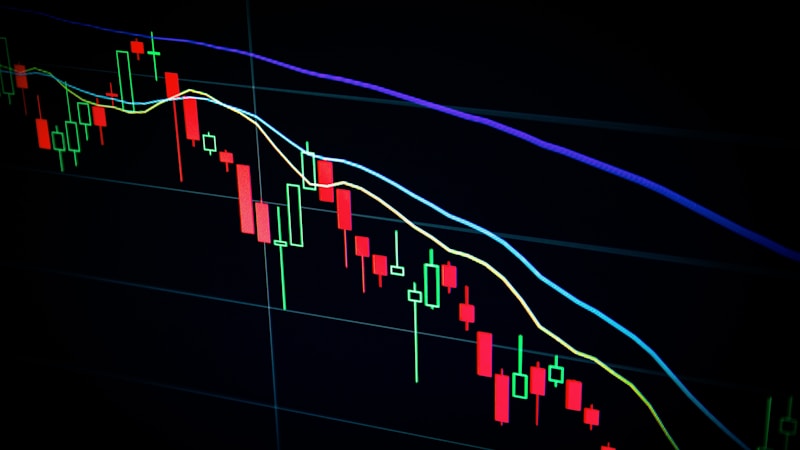
تراجحت أسعار النفط 2% بعد اتفاق تاريخي بين الولايات المتحدة وإيران لفتح مضيق هرمز وإنهاء العقوبات الأمريكية على صادرات النفط الإيرانية. يشمل الاتفاق المؤقت البالغ 14 نقطة فترة تفاوض مدتها 60 يوماً خلالها ستسمح إيران بعبور السفن عبر المضيق دون رسوم، مع استعادة كامل التنقل في 30 يوماً. تراجع خام برنت إلى 77.77 دولاراً للبرميل (-2.25%)، بينما هبط خام غرب تكساس إلى 74.88 دولاراً (-2.50%) عند الساعة 7:56 صباحاً بتوقيت مكة. يؤثر الاتفاق بشكل كبير على الأسواق العالمية بتقليل التوترات الجيوسياسية التي دفعت الأسعار للارتفاع سابقاً. يعيد المتعاملون تقييم مراكزهم مع إشارة الاتفاق إلى زيادة محتملة في إمدادات النفط الإيراني، مما قد يتعادل مع قطعات الإنتاج من أوبك+. أضافت وكالة الطاقة الدولية (__) زخماً نزولاً، متنبئة بأن تنفيذ الاتفاق قد يخلق فائضاً بـ5.05 ملايين برميل يومياً بحلول 2027، مما يسرع تحول التوازن بين العرض والطلب. للأسواق، يتحول التركيز الآن إلى تنفيذ الاتفاق وتأثيره على العرض على المدى الطويل. يجب على المستثمرين مراقبة التزام إيران ببنود المضيق، وردود أفعال أوبك+، وتنبؤات وكالة الطاقة الدولية بشأن الطلب الشهري. يطرح الاتفاق أسئلة حول كيفية تعديل المنتجين الرئيسيين مثل السعودية والولايات المتحدة استراتيجيات إنتاجهم للحفاظ على استقرار الأسعار.