Article details
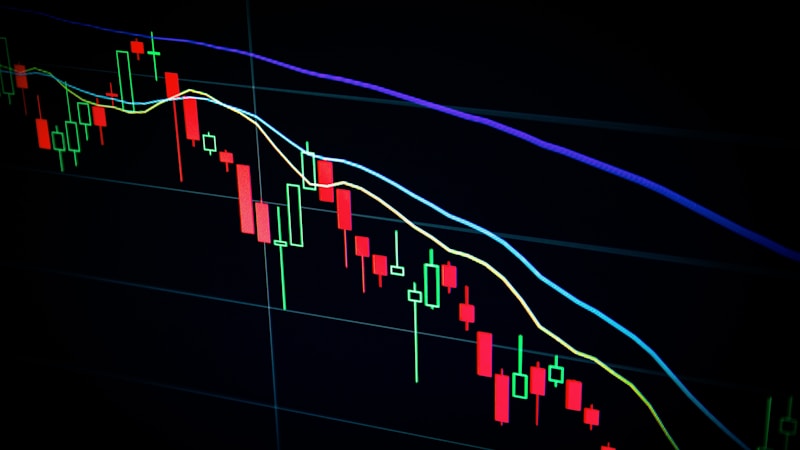
تسببت انهيارات التهدئة في أبريل والثانية في 9 يونيو، بعد الضربات الأمريكية، في تراجع سعر البيتكوين عن مكاسبه في كلا الحالتين. أثار التوترات الجيوسياسية المتزايدة بين الولايات المتحدة وإيران عدم اليقين في أسواق العملات الرقمية، مع تفاعل سعر البيتكوين بشكل حاد مع التطورات. يراقب التجار الوضع عن كثب، حيث قد يؤدي أي تصعيد إلى إضعاف سوق التشفير بشكل أكبر، الذي يظل حساسًا بشكل خاص للمخاطر السياسية العالمية. توضح التقلبات في سعر البيتكوين العلاقة المتينة بين الأحداث الجيوسياسية وأسواق الأصول الرقمية. يشعر المستثمرون بالقلق بشأن تأثير الصراعات المستمرة أو الأفعال العسكرية على الروح المعنوية للمستثمرين، والردود التنظيمية، وتدفق رؤوس الأموال إلى العملات الرقمية. تؤثر التوترات بين الولايات المتحدة وإيران، على وجه الخصوص، تاريخيًا على أسعار النفط وأسواق المال الأوسع، مع تأثيرات محتملة على التشفير. من المهم للمستثمرين في منطقة الخليج والمتوسط المراقبة عن كثب لأي تحديثات بشأن الجهود الدبلوماسية، والتحركات العسكرية، والبيانات الصادرة عن السياسيين الرئيسيين. ستتأثر ردود فعل سوق التشفير على هذه التطورات على الأرجح بحجم وطول أي ضربات مستقبلية. بالإضافة إلى ذلك، سيؤثر البيئة الاقتصادية الكبيرة، بما في ذلك التضخم وتوقعات أسعار الفائدة، على مسار البيتكوين.