Article details
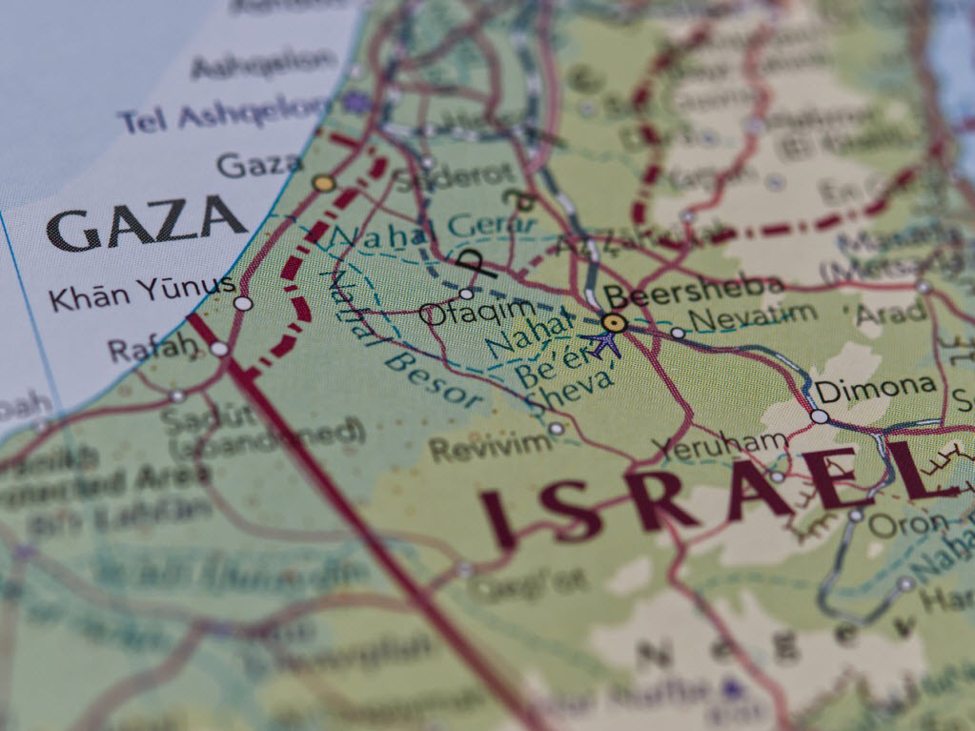
Israel has confirmed conducting a targeted strike in Gaza against the de facto leader of Hamas. The Israeli government also stated it would accept a ceasefire agreement with Hezbollah contingent on a 'genuine commitment' from the group. Meanwhile, Lebanon insists on a complete cessation of hostilities but doubts Israel's compliance. The conflicting statements highlight ongoing geopolitical tensions in the region, with no clear resolution in sight. The ambiguity surrounding terms like 'genuine commitment' and the lack of trust between parties further complicate peace efforts.
The situation has significant implications for global markets, particularly forex and commodity sectors. Geopolitical instability in the Middle East often drives volatility in oil prices and the US dollar. Traders should monitor how prolonged conflicts affect energy markets and investor risk appetite. The USD may strengthen amid safe-haven demand, while emerging market currencies could face pressure. Additionally, gold and other safe-haven assets might see increased buying interest.
For MENA investors, the conflict's regional spillover effects are critical. Escalations could disrupt trade routes and energy supplies, impacting Gulf economies. Traders should watch for developments in ceasefire negotiations and their influence on oil prices. The EUR/USD pair may experience short-term fluctuations due to European concerns about energy security. Key indicators to track include OPEC+ output decisions and regional military movements.