Article details
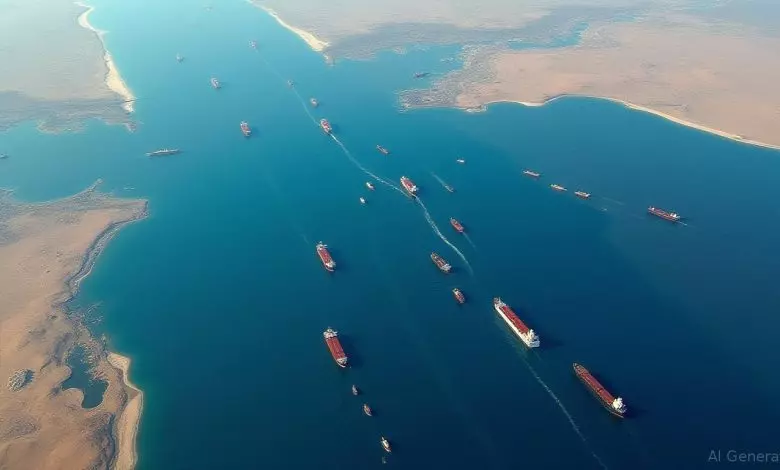
Iran has announced a 60-day exemption of transit fees for commercial vessels passing through the Strait of Hormuz as part of a temporary agreement with the United States. The Strait of Hormuz, a critical global oil shipping route, will suspend all fees related to security, safety, environmental services, and insurance during this period. Vessels must submit passage requests 48 hours in advance to manage traffic and avoid disruptions. Iranian authorities emphasized the need for advance coordination due to lingering naval mines from recent conflicts, requiring strict navigational guidance for safety.
This move could temporarily ease shipping costs for Gulf and global traders, particularly in the oil and energy sectors, which rely heavily on the Strait. However, the exemption is tied to a fragile geopolitical agreement, and any escalation in tensions could reverse these measures. Markets may react to news of renewed instability or changes in transit policies, affecting oil prices and regional trade dynamics.
For MENA investors, the policy shift highlights the region's strategic role in global energy markets. Traders should monitor updates on mine clearance progress, U.S.-Iran negotiations, and oil price fluctuations. The temporary nature of the agreement means this news has limited long-term impact unless the broader geopolitical situation stabilizes.