Article details
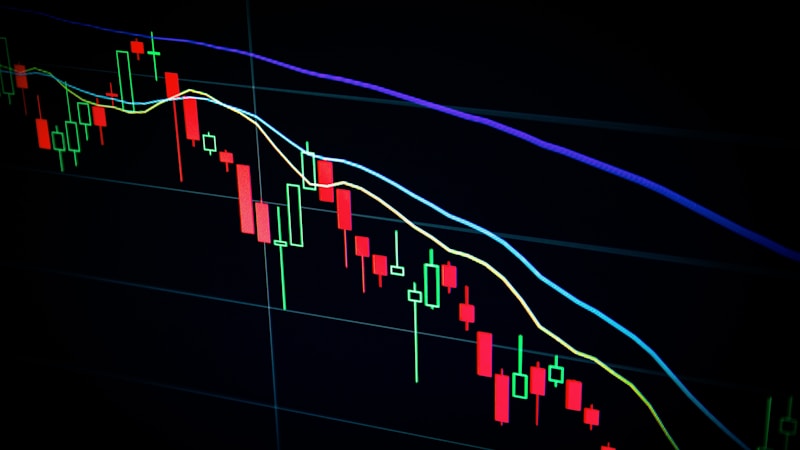
أعلنت القيادة العسكرية الإيرانية (خاتم الأنبياء) إغلاق مضيق هرمز أمام جميع حركة الملاحة البحرية، مبررة القرار بانتهاكات الولايات المتحدة لاتفاق إنهاء الحرب وإخفاق إسرائيل في الالتزام بالهدنة. ووصف المسؤولون الإيرانيون هذا الإجراء بأنه "الخطوة الأولى"، بينما أصدر الحرس الثوري تحذيرًا مماثلاً. تتصاعد التوترات في لبنان حيث ترفض إسرائيل الانسحاب من الجنوب، وهو الشرط الرئيسي الذي تطلبه إيران. يُلاحظ أن إيران تسعى لاستغلال الفوضى السياسية في الولايات المتحدة تحت إدارة ترامب، الذي يواجه انتقادات داخلية لتعامله مع أزمة النفط. مضيق هرمز، وهو ممر حيوي لتصدير 20% من النفط العالمي، يمثل خطرًا كبيرًا على الأسواق إذا تم تنفيذ الإغلاق. قد يؤدي الإعلان إلى تقلبات حادة في أسعار النفط والسلع الأخرى. ارتفعت عقود خام القياس الأمريكي (__) بنحو دولار في جلسة الجمعة رغم إعلان هدنة في لبنان، مما يعكس عدم اليقين في الأسواق. للمستثمرين في سوق الفوركس، قد تتأثر زوجة __ بسبب المخاطر الجيوسياسية وفرض عقوبات محتملة. قد تعدل البنوك المركزية، خصوصًا الاحتياطي الفيدرالي، من سياساتها النقدية ردًا على ارتفاع أسعار الطاقة، مما يؤثر على قوة الدولار. تختبر الوضع أيضًا حلف الولايات المتحدة وإسرائيل، حيث تسعى إيران لاستغلال الانقسامات للحصول على مكاسب دبلوماسية. يجب على المستثمرين في دول الخليج مراقبة التطورات في مضيق هرمز، حيث أن أي اضطراب قد يؤثر على صادرات الطاقة الإقليمية والاستقرار. الزيارة المرتقبة لمسؤولين أمريكيين إلى سويسرا للتفاوض قد توفر بعض التوضيحات القصيرة المدى، لكنها قد تزيد التصعيد إذا بقيت القضايا غير محلولة. يجب على المتداولين مراقبة تغيرات أسعار النفط وتطابق __، بالإضافة إلى بيانات الاحتياطي الفيدرالي حول التضخم. تبقى هدنة لبنان مجهولة النتائج، مع احتمال امتداد التأثيرات إلى الأسواق العربية.