Article details
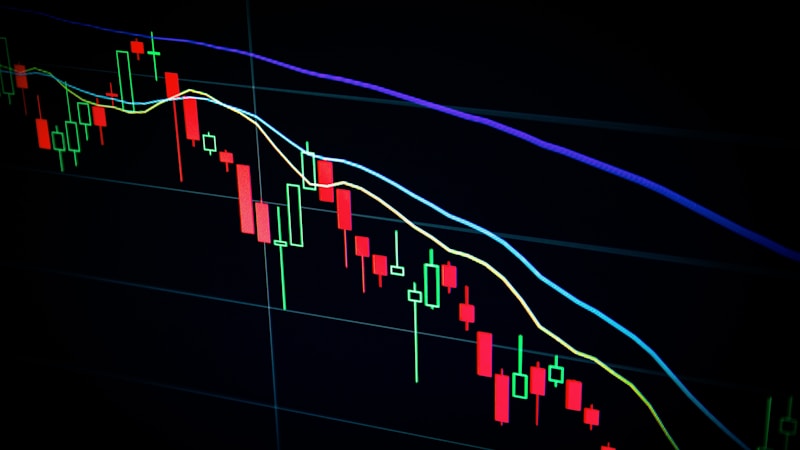
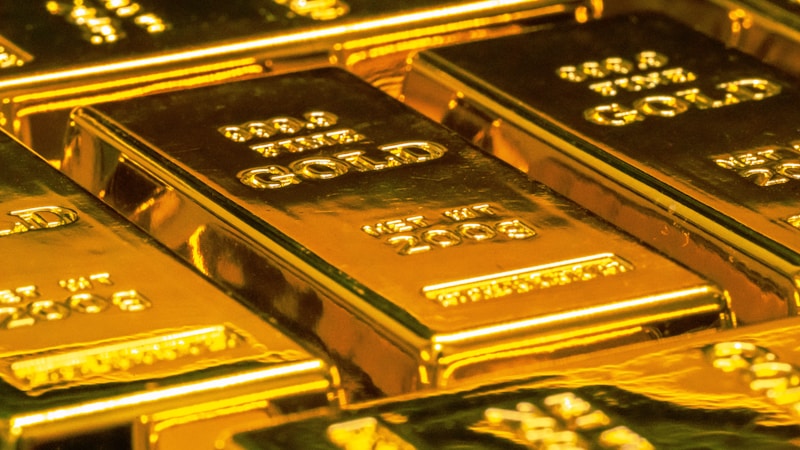
تراجعت أسعار الذهب أكثر من 3% إلى أقل من 4000 دولار للأونصة بينما سجل الدولار الأمريكي أعلى مستوى له في 13 شهرًا، مدفوعة بالتكهنات بشأن إعادة فتح مضيق هرمز لتخفيف الضغوط التضخمية العالمية. وعلى الرغم من تراجع عائدات السندات الأمريكية التي تدعم الذهب كملاذ آمن للتضخم، إلا أن قوة الدولار سحقت هذا الدعم، مما أدى إلى هجوم بيعي حاد على المعدن الثمين. هذا التحرك يعكس العلاقة العكسية بين الذهب والدولار، حيث تضعف قوة العملة الأمريكية من جاذبية الذهب كاستثمار بديل. إن هذا التطور مهم للمستثمرين والمتعاملين في سوق السلع، حيث تتأثر أسعار الذهب بشكل Live بتحركات الدولار. يُلاحظ أن الدولار القوي يضغط على الذهب، بينما تخلق المخاطر الجيوسياسية مثل أزمة مضيق هرمز تقلبات في السوق. من المهم مراقبة سياسات البنوك المركزية وبيانات التضخم التي قد تؤثر على الديناميكية بين الدولار والذهب. بالنسبة للمستثمرين في منطقة الخليج، فإن استقرار مضيق هرمز يمثل عاملًا محوريًا في تكلفة الطاقة وبالتالي التضخم المحلي. من المحتمل أن يؤدي إعادة فتح مضيق هرمز إلى خفض تكاليف الطاقة والتضخم، مما قد يضعف الدولار ويُعزز الذهب. ومع ذلك، يبقى التوقع القصير الأجل للذهب سلبيًا ما لم تحدث تغييرات غير متوقعة في التوترات الجيوسياسية أو تدخلات البنوك المركزية.