Article details
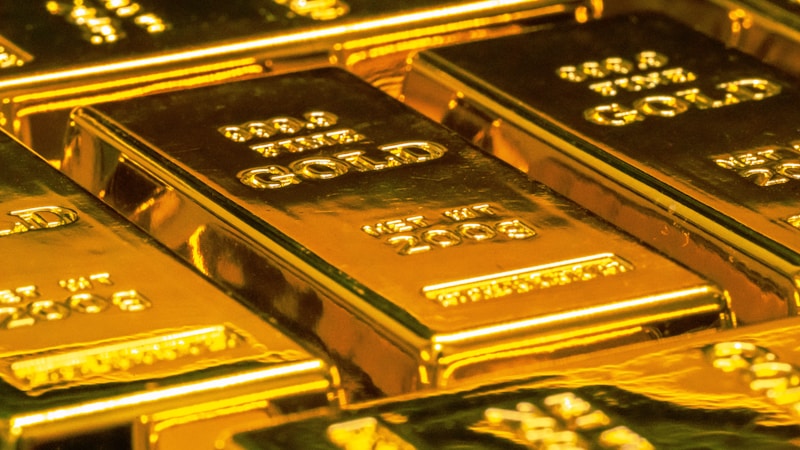
ارتفعت أسعار الذهب مواصلة مكاسبها بعد تقارير عن اتفاق محتمل بين الولايات المتحدة وإيران يخفف التوترات الجيوسياسية في الشرق الأوسط. أوضح الخبراء أن تهدئة النزاعات في المنطقة، خصوصًا في ممر هرمز الحرج لتصدير النفط، دعمت الطلب على الذهب كملاذ آمن. سجلت الأسعار ارتفاعًا بنسبة 1.2% لتصل إلى 2345 دولارًا للأونصة، مسجلة انتصارًا متواصلًا لمدة ثلاثة أيام. يُنتظر تأكيد الاتفاق الذي يهدف إلى تطبيع العلاقات الدبلوماسية وحل القضايا الأمنية. تأثر سوق الذهب إيجابيًا بتقليل مخاوف انقطاع سلاسل توريد النفط والبنية التحتية. تفاعل التجار بحذر، مع تحويل بعض رؤوس الأموال من الأسهم إلى المعادن النفيسة. تراجع مؤشر الدولار الأمريكي 0.4% أمام العملات الرئيسية، مما يعزز جاذبية الذهب كملاذ من التضخم. ازدادت شراءات البنوك المركزية في الأسواق الناشئة، مما يعكس ثقة طويلة الأمد في المعدن. يُنصح المستثمرين بمراقبة تطورات المفاوضات بين الولايات المتحدة وإيران والتحديثات الأمنية في المنطقة. قد يعزز اتفاق مؤكد وضع الذهب كملاذ آمن، بينما قد تثير أي تأخيرات في التوصل إليه تقلبات. تبقى المخاطر الجيوسياسية الأوسع نطاقًا، مثل الصراعات في البحر الأحمر، عوامل حاسمة في مسار السلعة.