Article details
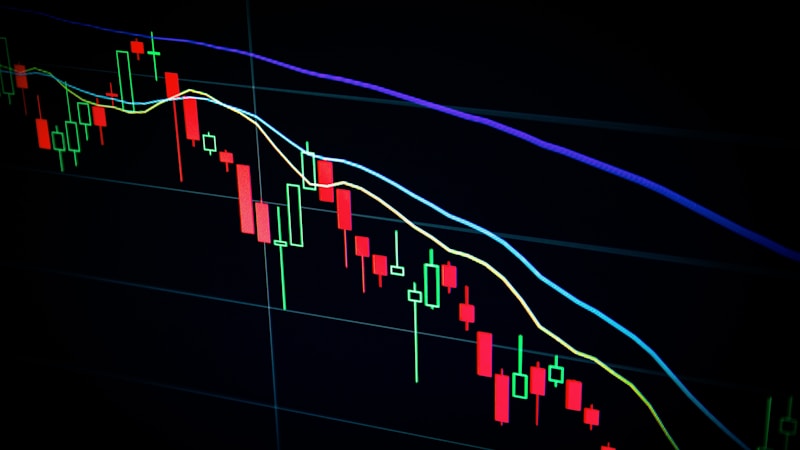
تراجعت أسعار الذهب يوم الأربعاء بسبب تصاعد التوترات في الشرق الأوسط، خصوصاً بين الولايات المتحدة وإيران، مما أضعف ثقة المستثمرين في اتفاق سلام قريب. وانخفض سعر __ إلى حوالي 4455 دولاراً، مسجلاً تراجعاً بنسبة 1.85% أسبوعياً. كما أثرت آفاق الاحتياطي الفيدرالي الأميركي لرفع الفائدة لفترة أطول على الذهب، الذي يعاني عادةً في بيئة ارتفاع الفائدة. تُعتبر التوترات الجيوسياسية عاملاً داعماً للذهب كأصل تحفظ، لكن الموقف الحذر للفيدرالي الأميركي أخمد هذا الديناميكية مؤخراً. للتجار، يُظهر التراجع التوازن الحساس بين عدم اليقين الجيوسياسي والسياسات النقدية. في حين أن التوترات في الشرق الأوسط قد ترفع من الطلب على الذهب، فإن التزام الفيدرالي بتحقيق أسعار فائدة مرتفعة أخمد جاذبيته. هذا الاختلاف يخلق تقلبات تتطلب من التجار مراقبة التطورات الإقليمية والجهات الرقابية بدقة. قد تحدد التفاعلات بين هذه العوامل مسار الذهب على المدى القصير. من المهم مراقبة التحديثات بشأن المفاوضات بين الولايات المتحدة وإيران ومؤشرات السياسة النقدية للفيدرالي. أي تغيير في هذه الجبهتين، سواء تهدئة التوترات أو تحول الفيدرالي نحو خفض الفائدة، قد يعكس الاتجاه الحالي. بالنسبة للمستثمرين في الخليج، قد يُعتبر تراجع أسعار الذهب فرصة شراء، مع وجوب تقييم ذلك بالمقارنة مع السياق الاقتصادي الأوسع، بما في ذلك اتجاهات التضخم والتغيرات في العملة.