Article details
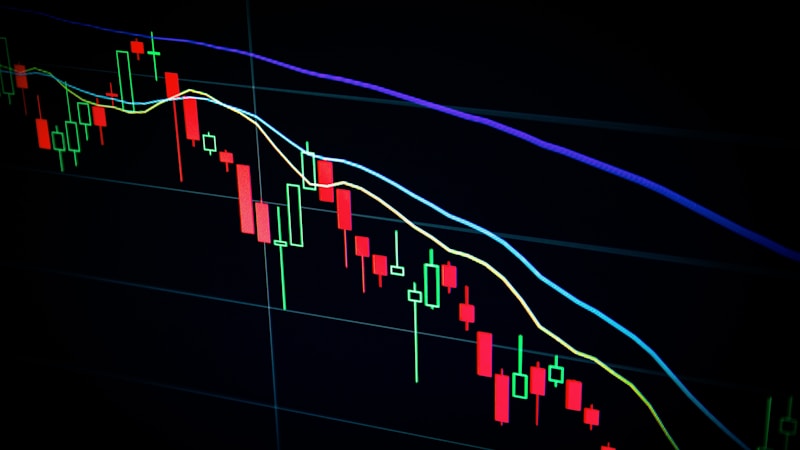
تراجعت أسعار الغاز في أوروبا إلى مستويات أدنى لشهر واحد بعد اتفاق السلام بين الولايات المتحدة وإيران، الذي تخفف من التوترات الجيوسياسية وخفض مخاوف انقطاع إمدادات الطاقة في الشرق الأوسط. يُعتبر هذا الاتفاق، الذي يتناول المفاوضات النووية والأمن الإقليمي، عاملًا رئيسيًا في تراجع أسعار الطاقة حيث تتوقع السوق انخفاضًا في مخاطر النزاع. يشير المحللون إلى أن نجاح الاتفاق قد يؤدي إلى استقرار أكبر في أسواق الطاقة العالمية، خاصة في أوروبا التي تعتمد بشكل كبير على واردات الغاز من الشرق الأوسط. من الناحية الاقتصادية، يُعتبر هذا التطور مؤشرًا على تغيير محتمل في توجه السوق من المخاطرة إلى المخاطرة المنخفضة، مع احتمال تقلب قصير المدى في السلع الطاقية مثل الغاز الطبيعي والنفط. ومع ذلك، يعتمد التأثير على تنفيذ الاتفاق وتحقيقه زيادة في الإنتاج أو استثمارات في الطاقة البديلة. قد تُعيد البنوك المركزية والمسؤولون التفكير في استراتيجياتهم النقدية ردًا على تكاليف الطاقة الأقل، مما يؤثر على الأسواق المالية الأوسع. يُنصح المستثمرين بمراقبة التحديثات المستقبلية حول اتفاق الولايات المتحدة وإيران، والتطورات الجيوسياسية في الخليج، والطلب الفصولي في أوروبا. قد يحتاج تجار الطاقة إلى إعادة تقييم استراتيجيات التحوط، بينما قد تشهد أسواق الأسهم في القطاعات المعتمدة على الطاقة رد فعل مختلط. يبقى التركيز الرئيسي على تحويل اتفاق السلام إلى انخفاض مستدام في أسعار الطاقة أو إذا تفوق عوامل أخرى مثل الطقس أو مشكلات سلسلة التوريد على هذا الاتجاه.