
Article details
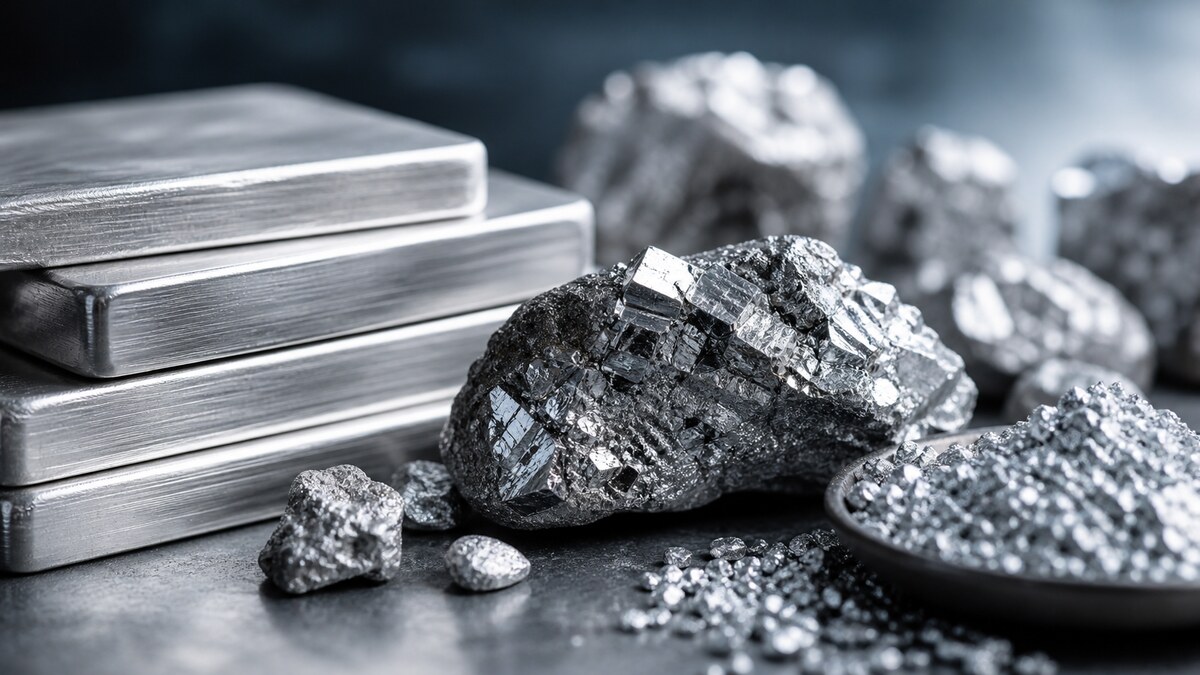
Critical minerals like lithium, cobalt, nickel, and rare earth elements are becoming increasingly vital for modern industries, particularly in green energy, electric vehicles (EVs), and defense manufacturing. The U.S. Geological Survey recently added silver to the critical minerals list, coinciding with China's export ban that quadrupled silver prices. China dominates the rare earths market, supplying over 90% of refined materials, while geopolitical tensions escalate as both nations restrict each other's companies. The Pentagon's investment in MP Materials highlights growing public-private partnerships to secure supply chains. Global lithium demand is projected to rise 16% in 2026, driven by EV production, but supply constraints and concentrated markets risk creating deficits.
The critical minerals market is a focal point for geopolitical and economic strategies. With China controlling a vast share of processing facilities and the U.S. seeking to reduce dependency, supply chain vulnerabilities could disrupt industries reliant on these materials. Traders should monitor U.S.-China trade dynamics, green energy policy shifts, and corporate investments in mining and processing. The interplay between demand from EVs and green tech versus supply bottlenecks will shape price volatility and investment opportunities.
For MENA investors, the region's energy transition and industrial growth depend on securing access to critical minerals. Gulf nations are exploring partnerships in Africa and the Americas to diversify supply chains. Traders should watch for policy changes in Saudi Arabia and the UAE regarding mineral imports, as well as regional investments in battery and renewable energy projects. The long-term outlook hinges on technological advancements in recycling and alternative materials.




