Article details
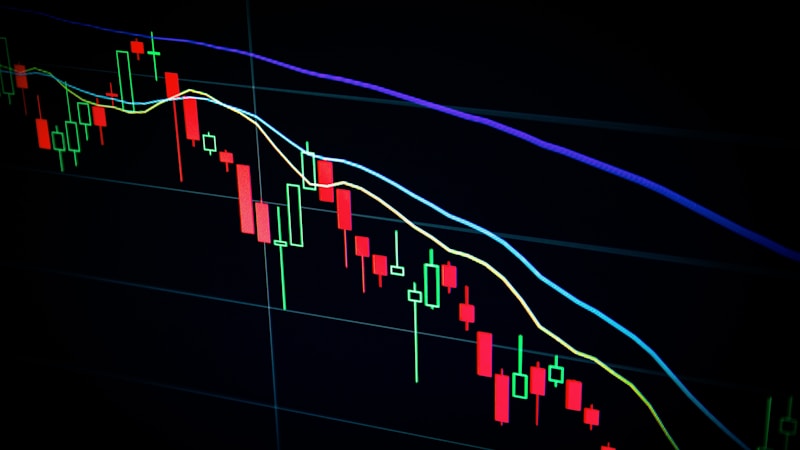
حافظ بيتكوين على موقعه قرب مستوى 64000 دولار في ظل تجدد التوترات الجيوسياسية في مضيق هرمز، مما أثار الشكوك حول محادثات التهدئة بين الولايات المتحدة وإيران. يُعتبر مضيق هرمز نقطة حيوية لتصدير النفط العالمي، ويعتبر أي تعطيل له تهديدًا Liveًا لأسواق الطاقة. يشير استقرار سعر البيتكوين إلى دوره كأداة تحوط ضد المخاطر الاقتصادية الكبيرة، خاصة في أوقات عدم اليقين الجيوسياسي. تظهر الحالة الراهنة مدى ترابط الأسواق التقليدية والرقمية. تؤدي التوترات الجيوسياسية عادةً إلى تحرك رؤوس الأموال نحو الأصول الآمنة مثل الذهب والبيتكوين، بينما قد ترتفع أسعار النفط بسبب مخاوف العرض. يراقب التجار تطورات الشرق الأوسط عن كثب، حيث قد يؤدي أي تصعيد إلى تقلبات أوسع في الأسواق. قد تؤثر نتيجة محادثات الولايات المتحدة وإيران أيضًا على المعنويات العالمية، مما يؤثر على سيولة العملات الرقمية وسلوكيات المستثمرين. لل مستثمرين في دول الخليج، يُظهر توتر مضيق هرمز ضعف المنطقة أمام الصدمات الخارجية. تعتمد أسواق الخليج بشكل كبير على صادرات النفط، وقد تواجه ضغوطًا غير Liveة إذا ارتفعت أسعار النفط. يجب على التجار مراقبة التحديثات حول التهدئة ورد فعل البيتكوين على News. قد يختبر تصعيد طويل الأمد مستوى المقاومة 65000 دولار، بينما قد يخفف الحل الضغط على البيع.