Article details
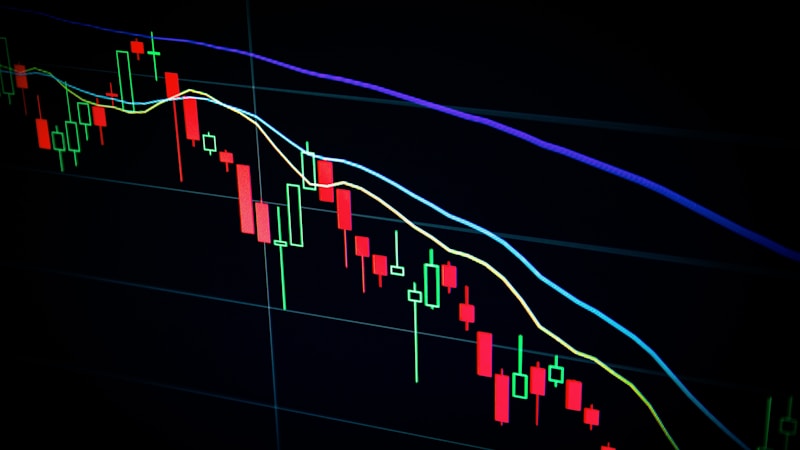
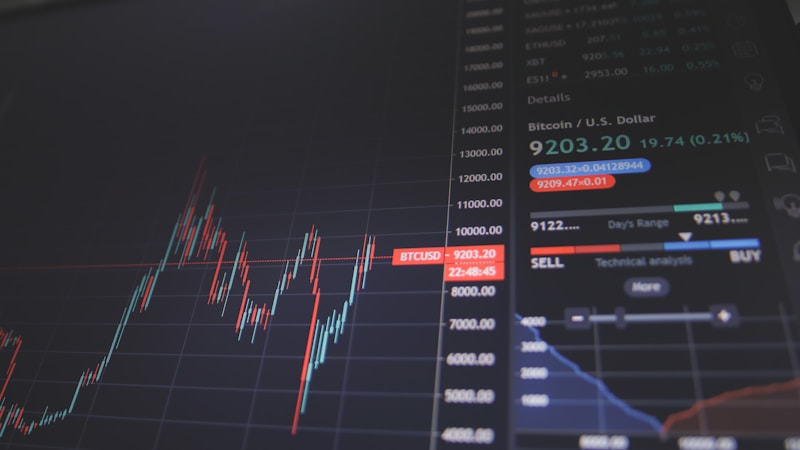
تراجعت الأسواق الآسيوية بشكل مستقر بينما تراجعت أسعار النفط بعد إعلان اتفاق سلام بين الولايات المتحدة وإيران. الاتفاق الذي يهدف إلى تهدئة التوترات الإقليمية، أدى إلى استقرار مؤشرات مثل نيكاي 225 وهانج سينغ 35,000، في حين تراجع خام برنت بنسبة 2.5% إلى 78.50 دولار للبرميل. الاتفاق، رغم أنه لم يحل الخلافات التاريخية، يشير إلى تحول محتمل في الدبلوماسية في الشرق الأوسط. الرد فعل السوق يعكس العلاقة المعقدة بين الأحداث الجيوسياسية و أسعار الأصول. بينما قد يقلل التهدئة من مخاطر التوترات في أسواق النفط، فإن البيع الأولي في النفط الخام يشير إلى الشكوك حول استمرارية الاتفاق. التجار الآن يقيّمون ما إذا كان هذا الاتفاق سيُثبت استقرار أسواق الطاقة أم أن عدم اليقين الجيوسياسي سيظل قائماً. للمستثمرين في منطقة الخليج، يركز الاهتمام على الاجتماعات الدبلوماسية القادمة وتطورات العقوبات. قد تشهد أسواق مجلس التعاون الخليجي تدفقاً مختلطاً حيث يوازن المستثمرون بين التفاؤل بشأن تقليل النزاعات والمخاوف بشأن تقلبات أسعار النفط. قد تشهد أسهم قطاع الطاقة والصناديق الاستثمارية المركزة على الشرق الأوسط نشاطاً تجارياً أكبر في الأسابيع القادمة.